Is asphalt just for driveways, or can I use it elsewhere around my home?
Most folks in Billings think asphalt, they think driveway. And yeah, that's its main gig for residential properties. But it's actually pretty versatile. I've laid asphalt for all sorts of things over the years. We've done basketball courts in backyards, walking paths, RV pads, even small parking areas for home businesses. It's a durable, cost-effective surface, especially if you're looking for something that can handle our freeze-thaw cycles here in Montana better than some other materials. If you've got an idea, chances are we can make it work.
How long does residential asphalt really last in a place like Billings?
That's a question I get a lot, and the honest answer is, it depends. A well-installed asphalt surface, properly maintained, can easily last 15-20 years, sometimes even more. But here in Billings, we've got some unique challenges. Our wild temperature swings, from scorching summers to brutal winters, put a lot of stress on asphalt. Then there's the heavy clay soil many of us have, which can shift and cause issues if the sub-base isn't done right. Snowplows, studded tires, and even just the sun beating down on it year after year take their toll. Regular sealcoating every few years and quick repairs to cracks are key to getting the most life out of your asphalt. Neglect it, and you'll be looking at replacement much sooner.
What's the deal with cracks and potholes? Are they always a sign of big trouble?
Cracks and potholes are like the common cold of asphalt – almost everyone gets 'em eventually. Small cracks, especially hairline ones, aren't usually a huge deal. They're often just surface-level and come from the asphalt drying out or minor shifts. But you don't want to ignore them. Water gets into those cracks, freezes, expands, and then boom, you've got a bigger crack or even a pothole. Potholes usually mean water has gotten under the asphalt and eroded the sub-base. The key is catching them early. Filling cracks and patching potholes promptly can prevent them from turning into major, expensive problems. It's like going to the dentist; a little preventative work saves you a lot of pain and money down the line. We see a lot of alligator cracking around the Heights, often due to poor drainage or an old, thin base layer.
I'm seeing my neighbor's asphalt looks blacker and newer than mine. What are they doing?
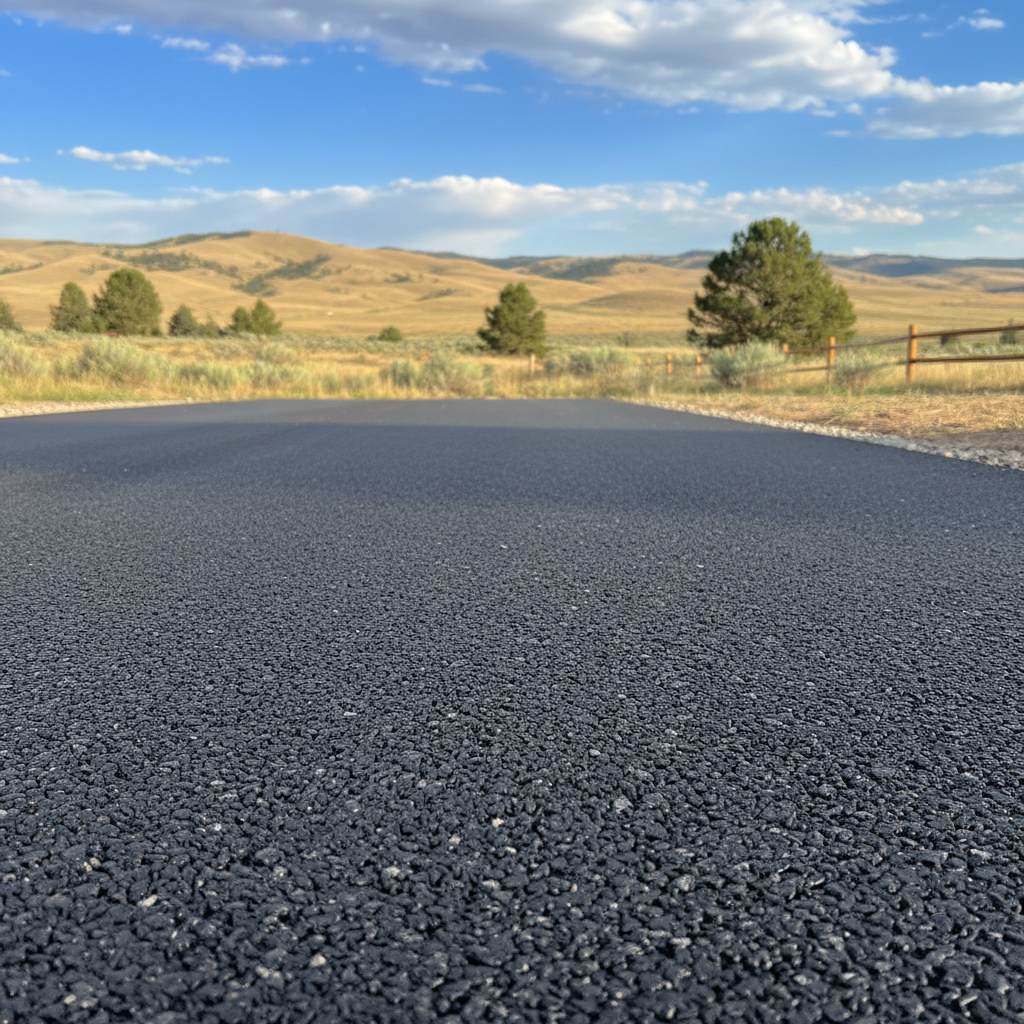
Ah, that's probably sealcoating. It's a protective layer applied over your asphalt, usually every 2-5 years depending on traffic and wear. Think of it like sunscreen for your driveway. It protects the asphalt from UV rays, water penetration, and even chemicals like oil and gas. It also gives it that fresh, dark black look, which really boosts curb appeal. More importantly, it extends the life of your asphalt significantly by keeping it flexible and preventing those small cracks from forming. It's one of the best investments you can make to protect your asphalt surface, and it's a service Diamond Asphalt performs regularly.
Can I really save money by doing asphalt repairs myself?
Look, I appreciate a good DIY project as much as the next guy, but asphalt repair isn't always the best place to cut corners. For very small, superficial cracks, sure, you can get some crack filler from the hardware store and give it a shot. But for anything more substantial – potholes, widespread cracking, or areas where the asphalt is crumbling – you're probably going to do more harm than good. Proper asphalt repair involves understanding the underlying issues, preparing the surface correctly, and using the right materials and equipment. If you don't do it right, the repair won't last, and you'll end up paying a professional to fix your fix, which costs more in the long run. Plus, dealing with hot asphalt is no joke; it can be dangerous if you're not experienced.
What's the best time of year to get new asphalt or major repairs done in Billings?
Here in Billings, timing is everything for asphalt work. You need consistent warm, dry weather for the asphalt to cure properly and for the sub-base to be stable. That usually means late spring, summer, and early fall are our prime seasons. We're talking generally May through September, maybe early October if we get a good stretch. Trying to lay asphalt when it's too cold means it cools too fast, doesn't compact right, and won't last. Doing it when it's too wet means you're dealing with a compromised sub-base, which is a recipe for premature failure. We've got a pretty short window for ideal conditions, so if you're planning a project, it's always best to get on the schedule early.
How do I know if my asphalt needs repair or a full replacement?
That's the million-dollar question, isn't it? It boils down to the extent and type of damage. If you've got isolated cracks, a few small potholes, or just general fading and surface wear, repairs and sealcoating can often breathe new life into your asphalt. We're talking about fixing the symptoms. But if you're seeing widespread alligator cracking (looks like alligator skin), large and deep potholes all over, significant areas of crumbling, or if the asphalt is heaving and sinking in multiple spots, you're probably looking at replacement. These issues usually point to a failing sub-base or the asphalt itself being at the end of its lifespan. It's like a car; you can replace the tires and change the oil, but eventually, the engine just gives out. I'd always recommend having a professional like us take a look. We can assess the damage and give you an honest opinion on whether repair is feasible or if it's time to invest in a fresh start.