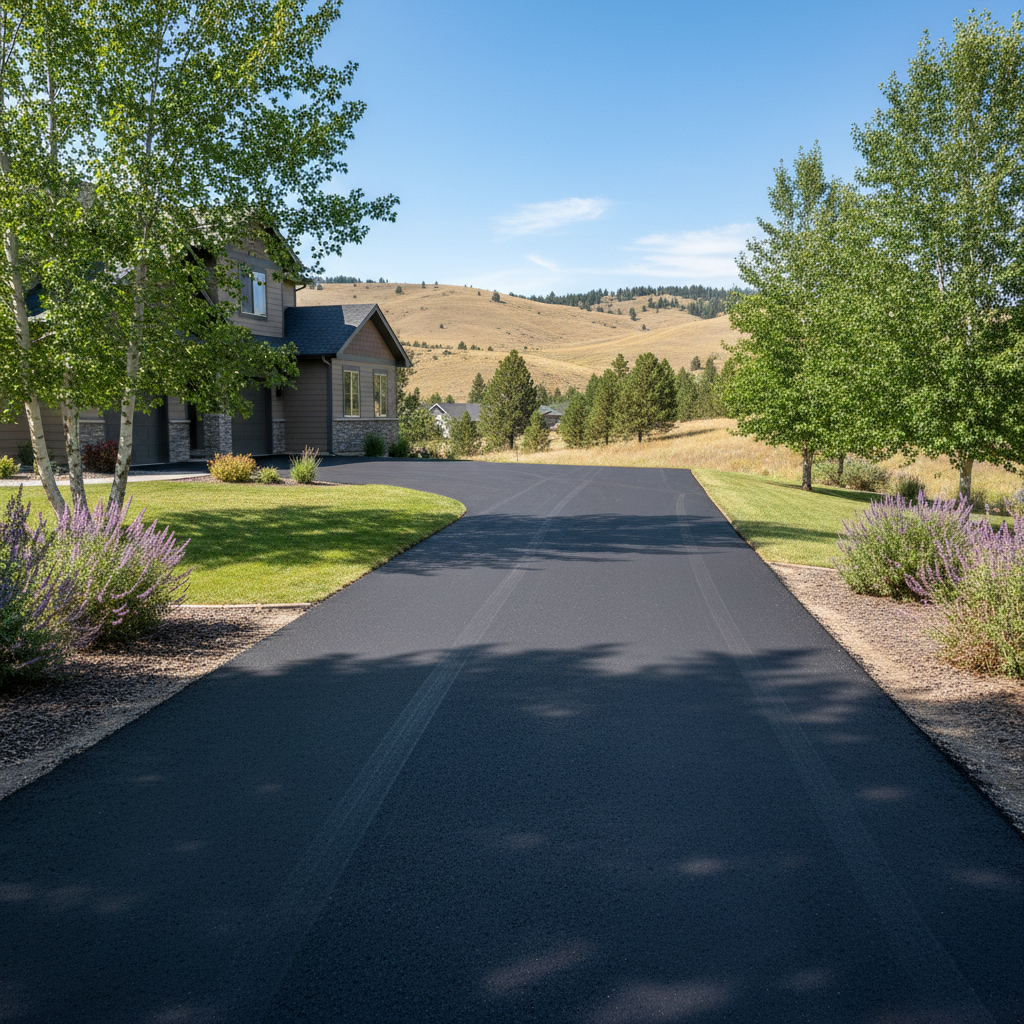
You've got asphalt, whether it's your driveway, parking lot, or a private road. You want it to last, right? Especially with the crazy weather we get here in Billings – those brutal winters with the freeze-thaw cycles and then the scorching summers. It's tough on pavement, no doubt about it. So, how do you make sure your investment holds up?
Extend Your Asphalt's Life: It's All About Protection
The biggest enemy of asphalt in Montana is water. And the sun. And the constant temperature swings. When water gets into tiny cracks, freezes, expands, and then thaws, it rips your pavement apart from the inside out. That's how potholes really get started. The sun's UV rays dry out the asphalt binder, making it brittle and prone to cracking.
- Sealcoating is Your Best Friend: Think of sealcoating like sunscreen and a waterproof jacket for your asphalt. It puts a protective layer over the surface, blocking UV rays and preventing water from seeping into those microscopic pores and hairline cracks. It also restores that rich black color, which helps absorb more heat in winter, aiding snow melt, and looks a whole lot better. For most residential driveways, I usually recommend sealcoating every 2-3 years, depending on traffic and how much sun it gets. Commercial lots with heavier traffic might need it a bit more often.
- Drainage is Key: Make sure water isn't pooling on your asphalt. If you've got low spots where water sits after a rain or snow melt, that's a problem waiting to happen. Standing water softens the asphalt and eventually leads to deterioration. Sometimes, it's a simple fix like clearing a clogged drain, other times it might need a small patch or re-grading.
- Keep it Clean: Sounds simple, but sweeping away dirt, gravel, and debris helps. These materials can hold moisture against the surface and, over time, can abrade the asphalt. Spills, especially oil and gas, need to be cleaned up quickly too. They break down the asphalt binder.
Regular Maintenance: What You Can Do Yourself
You don't need to be an expert to keep an eye on your asphalt. A little proactive work goes a long way.
- Crack Filling: This is probably the most important thing you can do between sealcoats. As soon as you see a crack, fill it. Don't wait. Use a good quality hot-pour crack filler. It's flexible, so it moves with the pavement as it expands and contracts with our temperature changes. This stops water from getting underneath and causing bigger problems. I've seen small cracks in the Heights turn into major potholes in one winter because they weren't addressed.
- Edge Maintenance: Keep the edges of your asphalt clear of vegetation. Weeds and grass growing through the edges can lift and break the pavement. Trim back any encroaching landscaping.
- Watch for Oil & Gas Spills: If you've got a leaky vehicle, try to fix it. If a spill happens, clean it up immediately with an absorbent material like cat litter or sand, then scrub with a mild detergent and rinse.
Warning Signs You Can't Ignore
Your asphalt will tell you when it's in trouble. You just need to know what to look for.
- Alligator Cracking: This is a pattern of interconnected cracks that look like an alligator's skin. It means the sub-base underneath is failing, or the asphalt itself is severely fatigued. This isn't a surface problem anymore; it's structural.
- Potholes: Obvious, I know, but they start small and grow fast. They're a sign of moisture getting in and sub-base failure.
- Raveling: This is when the aggregate (the small stones) starts to come loose from the asphalt binder, making the surface rough and crumbly. It usually indicates the asphalt is old, dry, and losing its integrity.
- Depressions or Rutting: If you see areas where the asphalt is sinking or forming channels, especially in traffic lanes, it's a sign of sub-base issues or heavy loads exceeding the pavement's capacity.
When to Call a Professional (Like Diamond Asphalt)
Look, some jobs are just too big or too complex for a DIY fix. That's when you call in the pros.
- Extensive Alligator Cracking or Potholes: If you've got a large area of alligator cracking or multiple potholes, you're past the point of simple crack filling. You likely need patching, an overlay, or even a full-depth repair.
- Drainage Issues: If water is consistently pooling and you can't figure out why, or if it's causing significant damage, a professional can assess the grading and recommend solutions.
- Large-Scale Sealcoating: While you can sealcoat a small driveway yourself, for larger driveways or commercial parking lots, it's a big job that requires specialized equipment for proper application and a uniform finish.
- New Pavement or Major Repairs: Obviously, if you're putting in a new driveway or parking lot, or need major sections replaced, you'll want experienced hands on that. We've been doing this for years at Diamond Asphalt, and we know what it takes to build a durable surface that stands up to Montana's demands.
- You're Not Sure: If you see something that looks off and you're not sure if it's a big deal or not, just give us a call. We're happy to come out, take a look, and give you an honest assessment. Better safe than sorry, especially when it comes to protecting your property.
Taking care of your asphalt isn't just about making it look nice; it's about protecting your investment. A little attention now can save you a lot of money and headaches down the road.