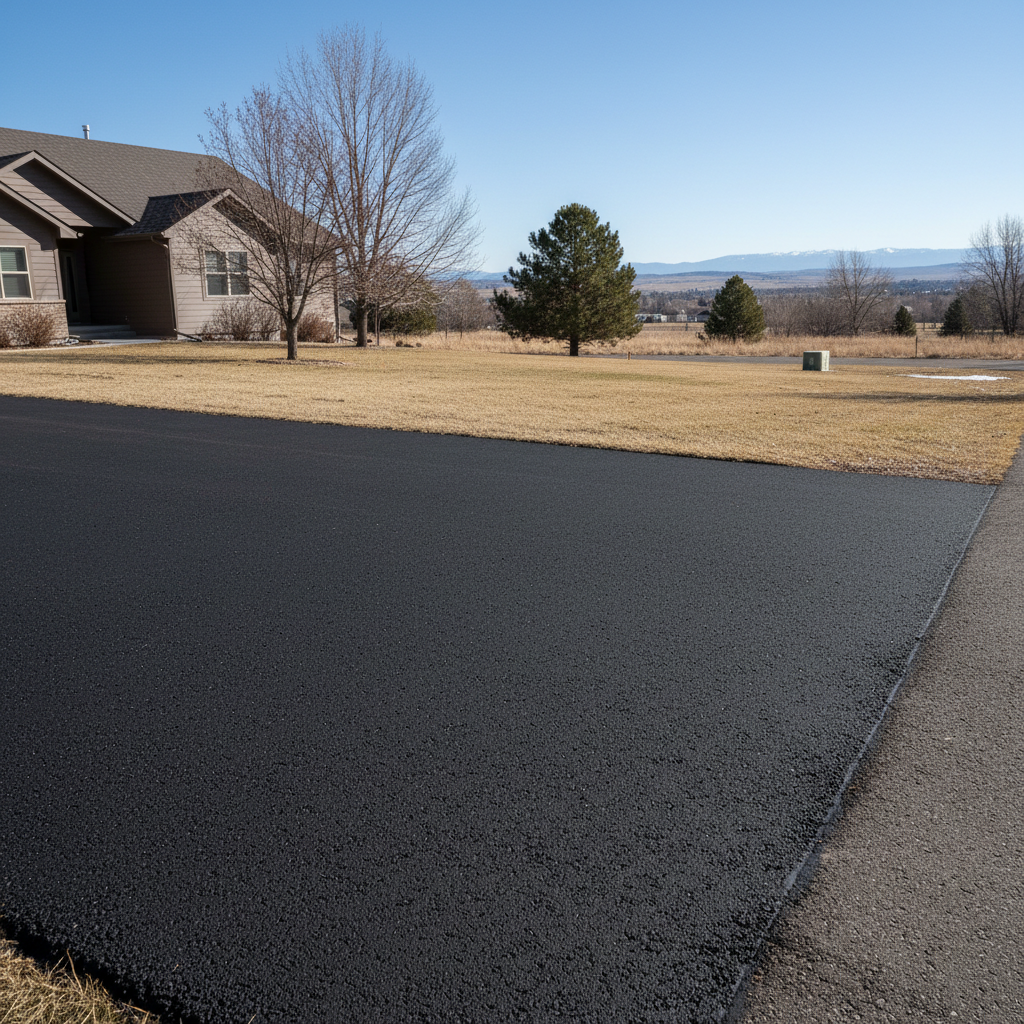
So, you just got your asphalt fixed, or maybe you're just staring at your driveway, wondering how to keep it from falling apart. Either way, you've put money into it, and you want it to last. That's smart thinking, especially here in Billings where our weather really puts pavement through its paces.
Why Keeping Up With It Matters (Especially Here)
Look, asphalt isn't something you can just "set and forget." It's tough, sure, but it needs a little TLC to stand up to our harsh winters and hot summers. That freeze-thaw cycle we get, sometimes several times a week in spring, is brutal on any paved surface. Water sneaks into tiny cracks, freezes, expands, and then thaws, leaving bigger cracks. It's a never-ending battle if you don't stay on top of it.
Good maintenance isn't just about making things look nice; it's about stopping small problems before they balloon into huge, expensive ones. Think of it like changing the oil in your truck – you do it regularly to avoid blowing the engine down the road.
Making Your Asphalt Last Longer
So, what can you actually do to make that repair work, or even your whole driveway, last longer? It's mostly common sense, honestly, but it's easy to forget.
- Sealcoating is Key: I know, I know, there are other posts about sealcoating, but it's worth a quick mention here because it's your first line of defense. It protects against UV rays, keeps water out, and even fends off oil spills. Consider it sunscreen and a raincoat for your asphalt.
- Keep it Clean: Sounds simple, right? But debris, dirt, and gravel can hold moisture against the surface, speeding up wear. Sweep or blow off your driveway regularly. Get rid of leaves, especially before winter, because they can trap water.
- Mind the Edges: The edges of your asphalt are often the weakest spots. If you've got dirt or grass creeping over the edge, it can hold moisture and undermine the pavement. Keep these areas clear and well-drained.
- Watch the Weight: Heavy vehicles, especially those parked for long periods, can stress your asphalt. If you've got an RV or a heavy work truck, try to spread out the weight or park it on a more reinforced area if you can.
- Deal with Spills Immediately: Oil, gas, and other chemicals can break down the asphalt binder. If you have a spill, clean it up quickly with something absorbent like cat litter, then wash the area with a mild detergent. Don't let it sit.
Regular Checks: What to Look For
You don't need to be an asphalt expert to spot trouble. Just take a walk around your property every few months, especially after a big storm or when the seasons change. Here's what I tell folks to keep an eye out for:
- Cracks: This is the big one. Even small hairline cracks can let water in. If you see them, especially "alligator cracking" (that pattern of interconnected cracks that looks like alligator skin), it's a sign of deeper issues.
- Potholes: These usually happen when cracks weren't fixed. Water gets in, freezes, expands, and then traffic breaks away the weakened asphalt. Don't ignore a pothole; it will only get bigger.
- Fading or Discoloration: If your asphalt is looking gray instead of black, it means the binder is oxidizing from sun exposure. This makes it more brittle and likely to crack. That's a sign you probably need sealcoating.
- Pooling Water: After a rain, if you have puddles that don't drain within a few hours, you've got drainage issues or depressions in your asphalt. This can really speed up deterioration.
- Soft Spots: If you walk across your asphalt and notice areas that feel spongy or soft, it could mean a problem with the sub-base, often because of too much water.
When to Call a Professional
Knowing when to call in the pros can save you a lot of grief and money. While you can handle small crack filling yourself, there's a point where you need specialized equipment and expertise. Here's when to give Diamond Asphalt a ring:
- Lots of Cracks: If you've got cracks covering a large area, or deep, wide cracks, a simple DIY patch won't cut it. We can assess if it needs routing, filling, or even a patch.
- Potholes Bigger Than a Dinner Plate: Small potholes can be filled with cold patch, but anything significant needs a hot mix repair for real durability.
- Drainage Problems: If water is consistently pooling, it might require regrading, new drainage solutions, or even milling and repaving sections to fix the slope. This is definitely not a DIY job.
- Alligator Cracking: This usually means the base layer is failing. You can patch over it, but it's a temporary fix. For a lasting solution, you're looking at removing the affected area and rebuilding the base.
- Significant Fading or Oxidation: If your asphalt hasn't been sealed in years and looks very faded, it's time for a professional sealcoat application to rejuvenate and protect it.
- Anytime You're Unsure: Seriously, if you're looking at something and thinking, 'Is this bad?' or 'Can I fix this?', just give us a call. We're happy to come out, take a look, and give you an honest assessment. We've seen it all, from the old dirt roads in the Heights to the newer subdivisions out west, and we know what works for our Montana conditions.
Taking care of your asphalt isn't rocket science, but it does require a little attention. A small effort now can prevent a major headache and expense down the road. Keep an eye on things, fix problems early, and don't hesitate to reach out if you need a hand.