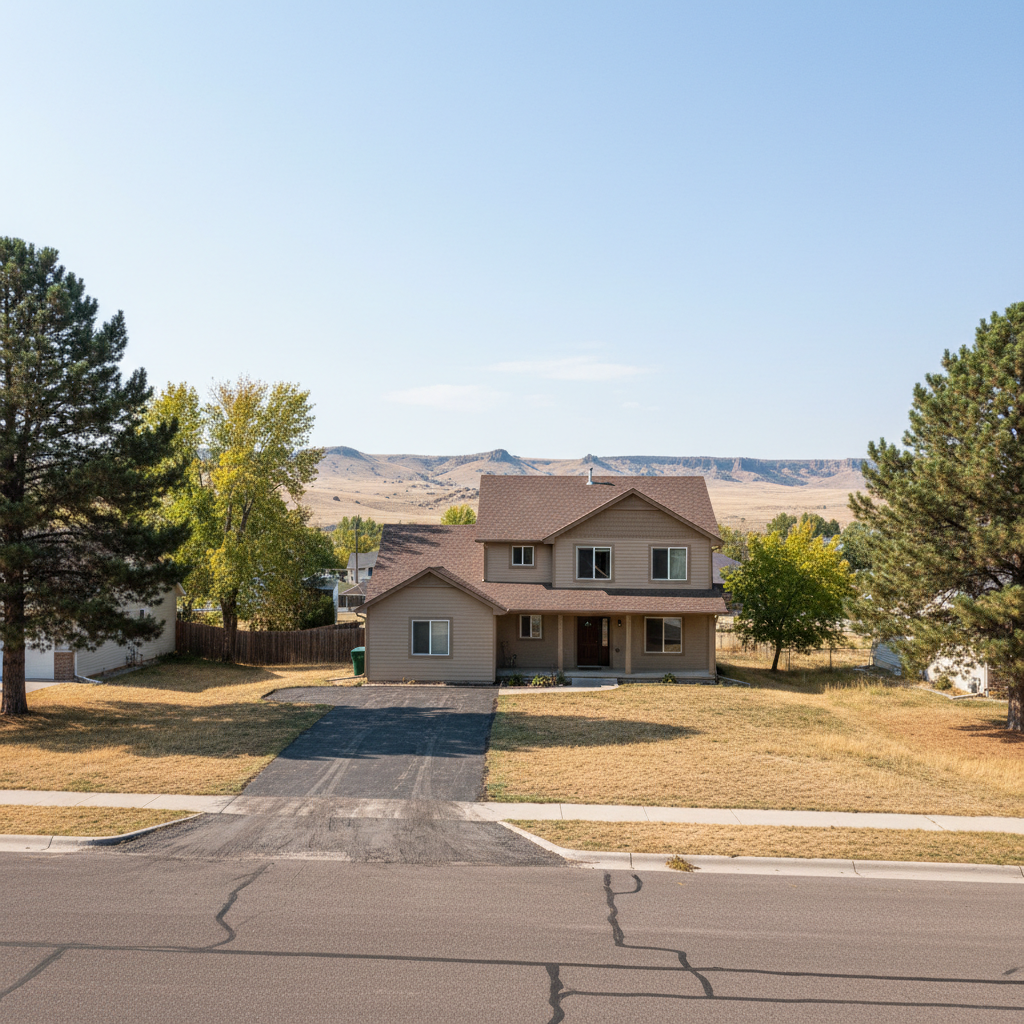
Ever driven down a street in Billings and noticed how rough or uneven the asphalt can get? Or maybe you've seen a crew tearing up an old parking lot, but not completely digging it out? Chances are, you're looking at asphalt milling in action. And for our neck of the woods, it's often the best way to handle a worn-out paved surface.
What Even IS Asphalt Milling?
Alright, let's cut to the chase. Asphalt milling, sometimes called cold planing or profiling, is basically shaving off the top layer of an existing asphalt surface. We use specialized machines that have a big rotating drum with cutting teeth. This drum grinds up the old asphalt into small, reusable pieces – what we call 'millings' or 'RAP' (Recycled Asphalt Pavement). It's not a full tear-out; it's a precise removal of just the damaged or worn-out top layer.
Think of it like this: if you've got a wooden deck that's seen better days, you wouldn't necessarily tear out all the joists and supports. You'd sand down the top planks, maybe replace a few, and then put a fresh stain on it. Milling is kind of the asphalt equivalent of sanding.
Why We Mill in Billings: It's All About Our Conditions
You know as well as I do that Billings weather isn't exactly mild. We get those scorching hot summers that bake the asphalt, followed by brutal winters with freeze-thaw cycles that can wreak havoc. That constant expansion and contraction, plus heavy snow loads and plowing, takes a toll. You start seeing cracks, potholes, rutting, and just general deterioration.
Here's why milling makes so much sense for us:
- It fixes the roots of the problem: Instead of just paving over cracks and bumps, which is a temporary fix, milling removes that damaged layer. This means your new asphalt surface is going down on a stable, consistent base. You're not just covering up old issues; you're getting rid of them.
- Maintains proper drainage: Billings isn't exactly flat everywhere. We've got plenty of sloped driveways and parking lots, especially in areas like the Heights or the Rimrocks. Milling allows us to re-establish proper slopes and drainage. If water isn't draining right, it'll seep into the sub-base, freeze, expand, and then you've got a whole new set of problems. Milling helps us avoid that.
- Cost-effective and eco-friendly: This is a big one. Tearing out and hauling away all that old asphalt is expensive and creates a lot of waste. With milling, we're recycling. Those millings can be reused as aggregate in new asphalt mixes, or even as a base material for other projects. It saves you money on disposal and new material costs, and it's better for the environment. We're big believers in smart, sustainable practices here at Diamond Asphalt.
- Maintains existing grades: For commercial properties, especially those with loading docks or specific entry points, maintaining the existing grade is crucial. Milling lets us remove material without significantly raising the overall height of the pavement, which can cause issues with curbs, sidewalks, and building entrances.
Common Projects Where Milling Shines
You'll see us recommending milling for a lot of different projects around Billings:
- Parking Lots: Commercial parking lots take a beating. Heavy traffic, delivery trucks, oil spills – it all adds up. Milling is perfect for restoring large parking areas without having to completely rebuild the entire lot.
- Private Roads & HOA Communities: Many of the private roads in developments around town, or even older residential streets, benefit hugely from milling. It's a way to get a smooth, durable surface for residents without the massive expense and disruption of a full reconstruction.
- Industrial Yards: Places with heavy equipment and constant wear and tear, like industrial parks near the Yellowstone River, often have severe rutting. Milling can level these surfaces out, making them safer and more functional.
- Large Driveways: If you've got a long, winding driveway that's seen better days, milling can be a great option before laying down new asphalt.
Why Local Expertise Matters for Milling
Anyone can rent a milling machine, but knowing how to use it effectively in Billings conditions? That's where experience comes in. We understand the typical soil conditions here – sometimes it's that heavy clay, other times it's more gravelly. We know how the local aggregate performs, and we've seen firsthand how our freeze-thaw cycles impact pavement. We know the right depths to mill, how to handle transitions, and how to ensure proper compaction and drainage for our specific climate.
When you're dealing with something as critical as your paved surfaces, you want a crew that knows Billings, understands its unique challenges, and has a proven track record. We've been doing this for a long time, and we've seen what works and what doesn't. Milling isn't just about grinding asphalt; it's about setting the stage for a durable, long-lasting surface that stands up to everything Montana throws at it.