Before You Start: Checking Out the Damage
So, you've got some asphalt damage. Maybe it's just a tiny crack, or perhaps it's a full-blown pothole that could swallow your kid's bike tire whole. First things first: really look at what you're up against. This isn't just about how it appears; it's about figuring out the cause and how deep the problem actually goes.
Small, hairline cracks, especially those not connected to a bigger network, are often just surface issues. They pop up from weather cycles, the sun beating down, or simply the natural aging of the asphalt. You'll spot these a lot in older driveways, particularly ones that haven't gotten regular sealcoating. Potholes, though, usually mean water has snuck underneath, frozen, expanded, and then blown out the asphalt. That's a much bigger headache.
Consider the size and depth. A crack that's less than a quarter-inch wide? You might be able to handle that yourself. But a pothole deeper than an inch or wider than a dinner plate? That's probably a job for the pros. Also, take a good look at your driveway's overall condition. Is it just one isolated spot, or is the whole thing starting to look like a spiderweb of cracks? That 'alligator cracking' signals widespread base failure, and no amount of DIY patching will fix that for the long haul.
DIY Asphalt Repair: What You Can Actually Do
Alright, so you've got some minor issues and you're ready to get your hands dirty. Good for you! There are definitely things you can do yourself to stretch your asphalt's life and keep it looking decent.
- Crack Filling: For those small, non-alligator cracks (less than 1/2 inch wide), a good quality pourable crack filler from the hardware store can work wonders. Clean out the crack thoroughly first – use a wire brush or even a leaf blower to get all the dirt and debris out. Make sure it's dry, too. Then, just pour the filler in, following the product's instructions. Some need heating, some don't. Don't overfill; you want it flush with the surface.
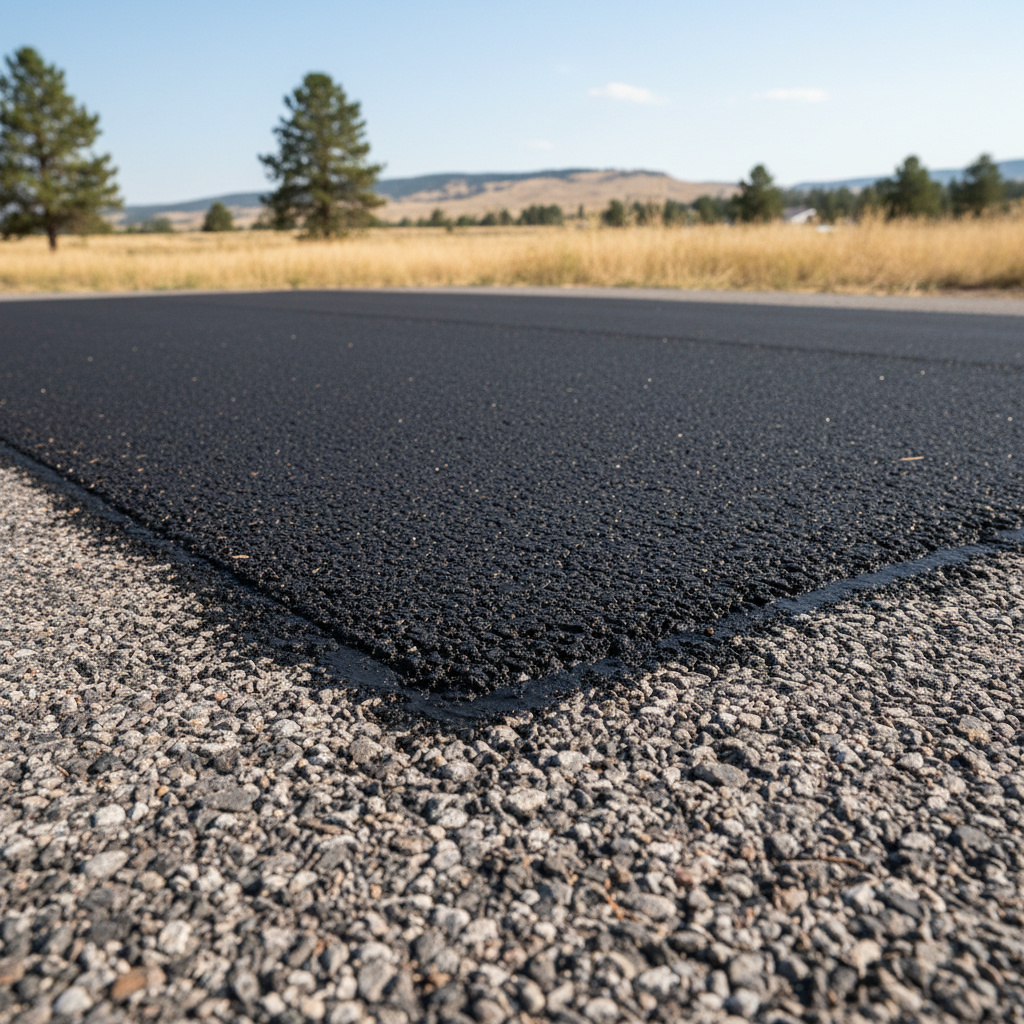
- Small Pothole Patching (Temporary): For very small, shallow potholes (think saucer-sized and not too deep), you can use a cold patch asphalt product. This usually comes in a bag of asphalt mix that you dump into the hole, rake level, and then compact. You can use a hand tamper, the back of a shovel, or even drive your car over it a few times. This is often a temporary fix, especially with our Billings freeze-thaw cycles, but it'll get you through until you can do something more permanent or call Diamond Asphalt for a proper repair. Just be sure the hole is clean and dry before you start.
The secret to successful DIY is preparation. Clean, dry surfaces are an absolute must. Skip that step, and your patch won't stick. You'll be doing it all over again next spring.
When to Call a Pro: It's Not Giving Up, It's Being Smart
Look, I'm all for saving a buck and tackling things yourself, but there comes a point where it just makes more sense to call in the cavalry. Here's when you should pick up the phone:
- Large Potholes or Deep Cracks: If a pothole is deep enough to hold a lot of water, or if cracks are wider than an inch and run deep, cold patch simply won't cut it. We have the equipment to cut out the damaged section, prepare the base correctly, and lay down hot asphalt that will bond seamlessly and last.
- Alligator Cracking: Remember that spiderweb pattern? That means the base layer under your asphalt is failing. Patching the surface is like putting a band-aid on a broken leg, frankly. You need a professional to assess the sub-base, maybe even mill out the old asphalt and rebuild.
- Multiple Damaged Areas: If you've got cracks and potholes scattered all over your driveway, trying to patch each one individually will be a huge headache, and it probably won't look great. A pro can often do a more comprehensive repair, or even suggest a resurface if the overall condition demands it.
- Drainage Issues: If your driveway consistently has standing water after a rain or snowmelt, that's a problem that goes beyond simple patching. Poor drainage speeds up asphalt deterioration. We can assess the grading and recommend solutions that prevent future damage, not just fix the current one.
- Time and Tools: Let's be honest, not everyone has the time, the right tools, or the desire to spend a weekend wrestling with bags of asphalt. Sometimes, your time is better spent doing something else, letting us handle the heavy lifting.
In Billings, our weather can be brutal on asphalt. Those cold winters and hot summers, plus the clay soils we often deal with, mean that proper repair isn't just about filling a hole; it's about understanding the underlying issues. A good professional will know how to address those specific challenges.
After the Repair: Keeping it Strong
Whether you did a DIY patch or hired us, the job isn't completely done once the asphalt is laid. You want that repair to last, right?
- Give it Time: If you used cold patch, try to keep heavy vehicles off it for a few days to allow it to cure. Hot asphalt patches from a pro can usually be driven on sooner, but always ask about specific recommendations.
- Keep it Clean: Sweep off dirt, gravel, and leaves regularly. Debris can hold moisture, and moisture is asphalt's enemy.
- Sealcoat (Eventually): For a DIY patch, once it's fully cured (check product instructions, usually 30-90 days), you can apply a sealcoat over the entire driveway. This will protect the asphalt, including your new patch, from UV rays, water, and chemicals, and it'll help blend the repair in so it doesn't stick out like a sore thumb. If we did a hot asphalt patch, we'll usually recommend waiting a few months before sealcoating to allow the new asphalt to fully cure.
- Address New Issues Promptly: Don't let a small crack turn into a big one. Keep an eye on your driveway and deal with new damage as soon as you spot it. Early intervention saves a lot of hassle and money down the road.
Taking care of your asphalt is an ongoing process, but it's worth it. A well-maintained driveway adds curb appeal and value to your home, and it's just safer to drive and walk on. Don't hesitate to give us a call at Diamond Asphalt if you're unsure about the best way to tackle your asphalt repairs. We're always happy to give you an honest opinion.