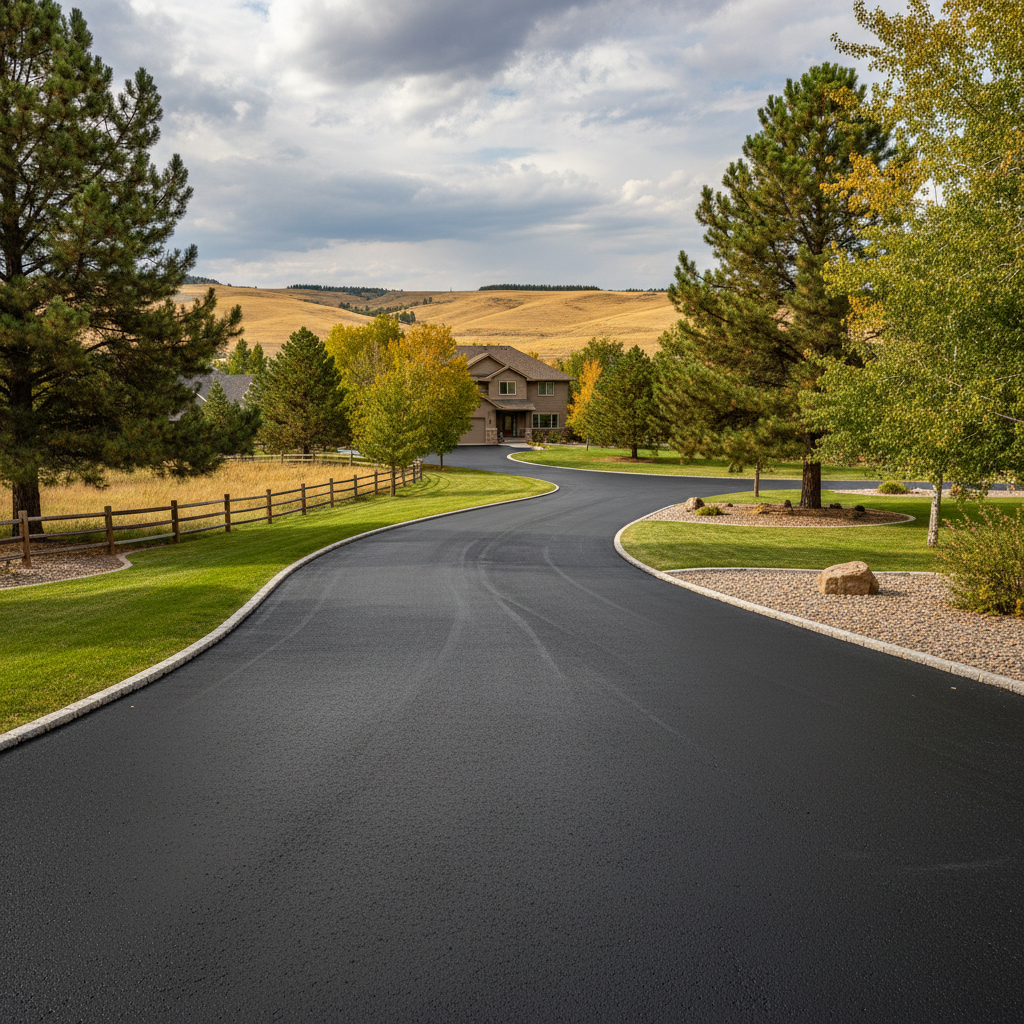
You've got an asphalt driveway, and you know sealcoating is important. But when's the *best* time to get it done here in Billings? It's not just about picking a random weekend, you know; our unique climate really dictates how well that sealcoat cures and, ultimately, how well it protects your investment.
Why Sealcoating Timing Matters in Billings
Think about it: that sealcoat isn't just paint. It's a tough, protective layer that needs very specific conditions to bond properly with your asphalt. If it's too cold, it just won't cure right. Too hot, and it can dry way too fast, meaning it won't penetrate like it should. And if it rains too soon? Well, that's just a big mess. That's why I always tell folks around the Heights or out near Shepherd that timing is absolutely everything.
The Sweet Spot: Late Spring to Early Fall
Generally, the perfect window for sealcoating in Billings stretches from late spring right through early fall. We're talking late May, all through June, July, August, and then into early September. What we're really looking for are consistent daytime temperatures of at least 50°F and climbing, with nighttime lows staying above 40°F. The warmer it is, the better, honestly, up to a point anyway.
- Spring (Late May - June): This is often a fantastic time. The ground has thawed out, the asphalt's warmed up nicely, and we usually get a good stretch of mild, sunny days. You just have to watch out for those late spring showers that can pop up out of nowhere.
- Summer (July - August): This is prime time. Long, hot days mean the sealcoat cures fast and strong. You'll want to avoid the absolute hottest part of the day if it's pushing 95°F or more, but generally, summer's just fantastic.
- Early Fall (September): Still a good option, especially early in the month. The ground's still warm, and we often get those beautiful, crisp, sunny days. But you do have to be more careful about those overnight lows dropping too much, and with shorter days, there's less curing time overall.
What you absolutely want to avoid is doing it when there's even a chance of frost or freezing temperatures within 24-48 hours after we apply it. That'll ruin the cure, and you'll just be throwing your money away. Same goes for rain — we need at least 24 hours of dry weather after application, and preferably a bit longer.
Weather Conditions We Watch For
When you call Diamond Asphalt for a sealcoating job, we're not just glancing at the calendar. We're checking the forecast like hawks, believe me. Here's what's always on our radar:
- Temperature: Like I said, 50°F and rising is the bare minimum. The warmer it is, the better, up to about 90-95°F. Too cold, and the material won't flow right or cure properly. Too hot, and it can flash dry, which leads to cracking.
- Humidity: High humidity can really slow down the curing process. We prefer lower humidity days for the best possible results.
- Wind: A little breeze is fine, actually helps with drying. But strong winds? They can blow dust and debris onto the wet sealcoat, making for a rough finish. They can also make the material dry too fast in certain spots.
- Rain: This is the big one. No rain 24 hours before (we need a dry surface, after all) and definitely no rain for at least 24 hours after. If the forecast looks iffy, we'll reschedule. It's always better to wait than to have your fresh sealcoat wash away.
Sometimes, folks will ask us to squeeze in a job in late October. And while we appreciate the business, we'll be honest with you: the risk of a cold snap or an early snow is just too high then. We want your sealcoat to actually last, not just look good for a week.
Protecting Your Investment Year-Round
Once your driveway is sealcoated, you're not entirely done. It's an investment, and like any investment, it needs a little care. Here's what you can do:
- Give it Time to Cure: After we're finished, we'll tell you exactly how long to stay off it. Usually, it's 24-48 hours for foot traffic and 48-72 hours for vehicles. Don't rush it! Turning your wheels sharply on a fresh sealcoat can leave some nasty marks.
- Clean Up Spills Promptly: Oil, gas, antifreeze – these things will eat away at asphalt. If you spill something, clean it up right away. A little kitty litter or oil absorbent can do wonders.
- Mind the Heavy Loads: Try not to park heavy RVs or trailers in the exact same spot for months on end, especially in the heat. It can cause depressions, and nobody wants that.
- Address Cracks Early: Even with sealcoating, cracks can happen, especially with our Billings freeze-thaw cycles. If you see a new crack forming, get it filled sooner rather than later. Water getting into those cracks is the absolute enemy of your asphalt.
- Regular Cleaning: Keep your driveway free of dirt, leaves, and debris. It stops organic matter from breaking down on the surface and makes it easier to spot any issues.
Sealcoating isn't a one-and-done deal for the life of your driveway. Most residential driveways in our area benefit from a fresh coat every 2-3 years. It's a preventative measure that keeps your asphalt flexible, protects it from UV rays and moisture, and makes it look sharp. Do it right, and your driveway will serve you well for a long, long time.