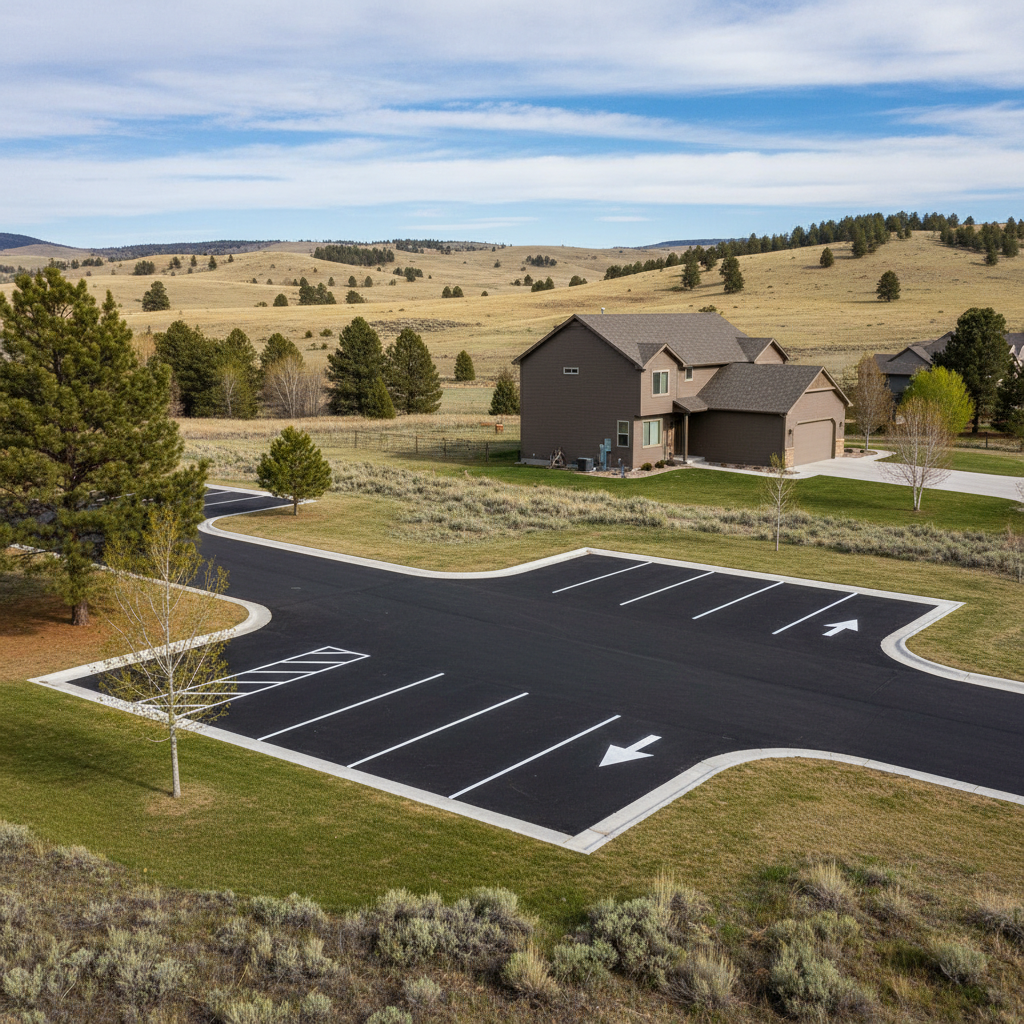
Ever wonder why some parking lot lines look great for years, and others fade out fast? A lot of it comes down to when the work got done and what the weather was doing. Here in Billings, we've got some pretty specific conditions that make a big difference for asphalt striping. It's not just slapping on some paint; it's about making sure it sticks and cures right.
The Best Time for Striping in Billings
Let's cut right to it: the sweet spot for asphalt striping in Billings is usually late spring through early fall. Think May, June, July, August, and September. Why then? Because you need consistent, warm, dry weather. The paint we use, whether it's a water-based or solvent-based traffic paint, needs certain conditions to cure properly.
- Temperature: You want air and surface temperatures to be at least 50 degrees Fahrenheit, and ideally, climbing. If it's too cold, the paint won't adhere well, and it won't cure to its full hardness. You'll end up with lines that chip, flake, or wear away much faster than they should.
- Moisture: This is a big one. The asphalt surface needs to be bone dry. No dew, no recent rain, no dampness from a morning fog. If there's any moisture, the paint won't bond correctly. It's like trying to put a sticker on a wet surface – it just won't stick.
- Humidity: While not as critical as temperature and surface moisture, very high humidity can slow down the drying and curing process, especially for water-based paints.
We've all seen those beautiful, clear Montana summer days. Those are prime striping days. You get a good, long window of warmth and sunshine, which is exactly what the paint needs to set up strong. Trying to stripe in October when the overnight temps are dipping into the 30s, or in April when we're still getting those unpredictable snow flurries, is just asking for trouble. It's a waste of your money and our time if it doesn't hold up.
Weather Conditions That Stop the Job
You might call us up and say, "Hey, the sun's out, why can't you stripe today?" But there's more to it than just a clear sky. Here's what makes us reschedule:
- Rain, obviously: Even a light drizzle can ruin a fresh striping job. We need a good, long dry period before, during, and after application.
- High Winds: Wind can blow the paint off course, creating messy, uneven lines. It also picks up dust and debris, which can get embedded in the wet paint. Plus, it speeds up drying too fast on the surface, which can lead to cracking.
- Extreme Cold: As I mentioned, below 50°F is usually a no-go. The paint becomes too viscous, difficult to apply evenly, and won't cure properly.
- Heavy Dew/Frost: Even if the day warms up, if there's heavy dew or frost from the night before, the surface will be too wet until it fully evaporates. We often have to wait until late morning for the asphalt to dry completely, especially in areas that stay shaded longer, like north-facing parking lots in the Heights.
We're always checking the forecast, sometimes hourly, because these factors directly impact the quality and longevity of our work. We'd rather wait a day or two for ideal conditions than do a rushed job that won't last.
Protecting Your Striping Investment Year-Round
Once your parking lot or driveway is freshly striped, you want those crisp lines to stay that way. Here's how you can help protect your investment:
- Keep it Clean: Regular sweeping or blowing off debris, dirt, and gravel helps a lot. These abrasive materials can wear down the paint over time, especially in high-traffic areas.
- Mind the Chemicals: Be careful with harsh cleaning chemicals, oil spills, or fuel leaks. These can break down the paint and even the asphalt itself. Clean up spills quickly.
- Sealcoating: This is probably the biggest thing you can do. A good sealcoat every few years not only protects your asphalt from UV rays and water but also provides a fresh, dark surface for new striping to stand out against. It's a great foundation. We often recommend striping after a fresh sealcoat for the best contrast and adhesion. Diamond Asphalt can handle both for you, making sure your whole surface is protected.
- Avoid Heavy Scrapes: Snowplows, especially those with metal blades, can really chew up striping. If you're plowing your own lot, try to lift the blade slightly over painted areas, or use plows with rubber edges.
- Don't Let Water Sit: If you have areas where water consistently puddles, it can degrade both the asphalt and the paint faster. Addressing drainage issues can extend the life of your entire paved surface.
Taking a few simple steps to maintain your striped areas means you won't have to re-stripe as often, saving you money in the long run. Good striping isn't just about looking professional; it's about safety and traffic flow. Making sure it lasts through our Billings seasons is key.