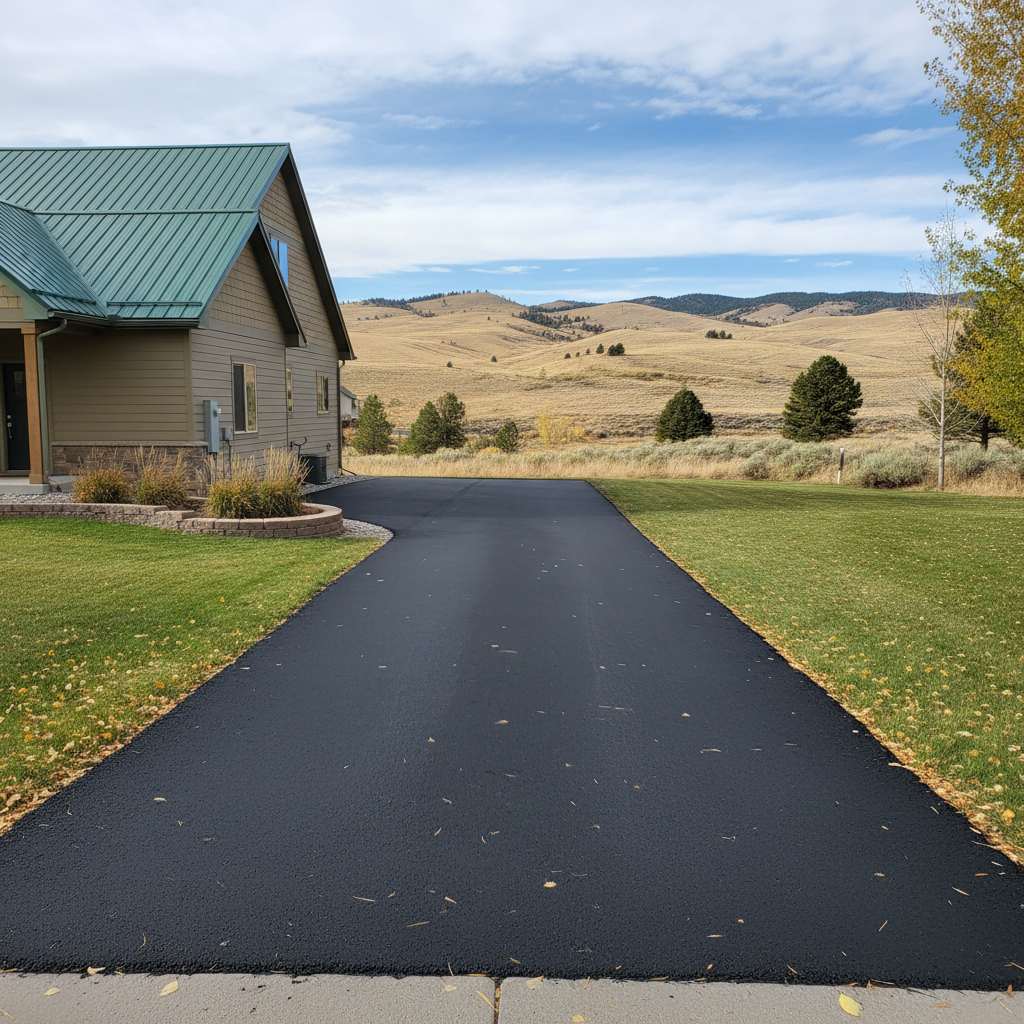
When's the best time to get your asphalt driveway done here in Billings? It's a question I get a lot, and for good reason. Our Montana weather isn't exactly predictable, and that has a big impact on how asphalt behaves, how it's installed, and how long it lasts. You can't just pick any sunny day and expect the best results. There's a science to it, and a lot of it comes down to temperature and moisture.
Why Timing is Everything for Asphalt
Asphalt is a pretty tough material, but it's also sensitive to the conditions when it's being laid down. Think about it: we're working with hot, liquid asphalt that needs to cool and cure properly. If it's too cold, it cools too fast, and we can't compact it right. That means it won't be as dense or as strong as it should be, leaving it vulnerable to cracking and breaking down quicker. If it's too wet, that's another problem. Water can get trapped underneath, messing with the base and causing issues down the line.
Here in Billings, we see all four seasons, sometimes in one week! This means we've got a pretty specific window for optimal asphalt work. Generally, I tell folks the sweet spot is late spring, through summer, and into early fall. We're looking for consistent temperatures, ideally above 50 degrees Fahrenheit, and dry conditions. That gives the asphalt enough time to be laid, compacted, and cure properly before the really cold weather hits.
The Best Months for Asphalt Work in Billings
- Late Spring (May-June): This is often a great time. The ground has thawed out completely, and we're usually past the major spring rains. The days are getting longer and warmer, but it's not yet scorching hot. This allows for good compaction and a steady cooling process.
- Summer (July-August): Prime time. Warm, dry days are ideal for asphalt paving. The heat helps keep the asphalt pliable during installation, making it easier to work with and achieve that smooth, durable finish. Just watch out for those afternoon thunderstorms we sometimes get. We can't pave in the rain, plain and simple.
- Early Fall (September-October): Still a solid option. The days are usually still warm enough, and the ground is dry. You often get some of the most stable weather during this period. We've got to keep an eye on overnight lows though; if they start dipping too consistently below freezing, it's time to wrap things up for the season.
What about winter? Forget about it. Paving in freezing temperatures is a recipe for disaster. The asphalt cools too fast, it doesn't compact well, and you'll end up with a driveway that won't last. We just don't do it. It's not worth your money or our reputation.
Protecting Your Investment Year-Round
Once you've got that beautiful new driveway, you want it to last, right? Here's what you can do:
- Sealcoating: This is huge. Think of it like sunscreen for your driveway. It protects against UV rays, water penetration, and even oil spills. I recommend sealcoating every 2-3 years, depending on traffic and how much sun it gets. It really extends the life of your asphalt.
- Crack Filling: See a crack? Fill it. Don't wait. Water gets into those cracks, freezes, expands, and turns a small crack into a big pothole real fast. Especially with our freeze-thaw cycles here in Billings, this is critical.
- Drainage: Make sure water drains off your driveway, not onto it or pooling on it. If you've got low spots, address them. Proper drainage is key to preventing water damage to your asphalt and the base underneath.
- Snow Removal: Be careful with plows and shovels. Don't dig into the asphalt. A plastic-bladed shovel or a snowblower with adjustable skids is your best bet to avoid gouging the surface.
- Heavy Loads: Try to avoid parking heavy RVs or equipment in the same spot for long periods, especially during hot weather. It can cause depressions in the asphalt.
At Diamond Asphalt, we've seen it all, from the scorching summer days to the early snows in the Heights. We know what works and what doesn't for asphalt here in Montana. Getting the timing right for installation and then keeping up with regular maintenance are the two biggest things you can do to make sure your driveway stands the test of time.
If you're thinking about a new driveway or need some repairs, give us a call. We'll come out, take a look, and give you an honest opinion on the best way to tackle it, keeping our local weather in mind every step of the way.