How long should my new asphalt driveway last?
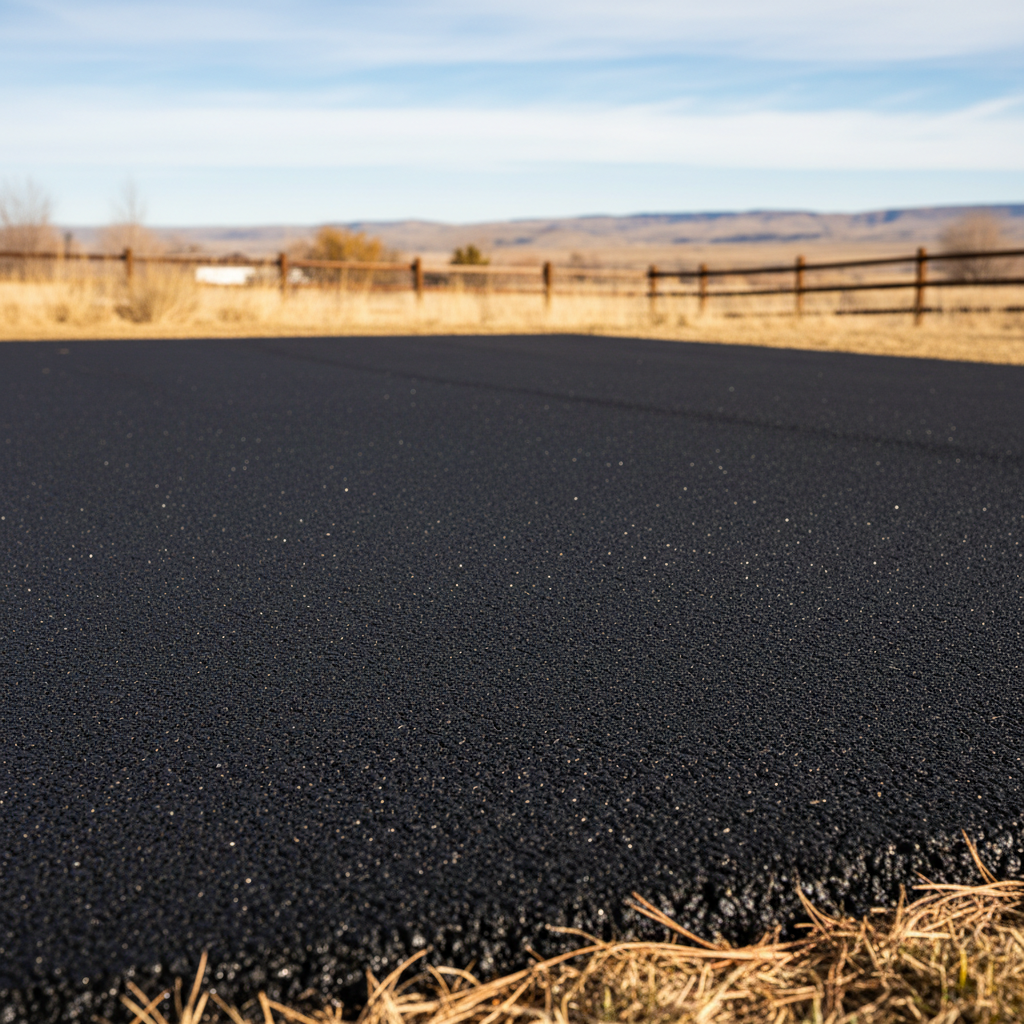
This is probably the most common question I get, and it's a good one. A well-installed asphalt driveway, using quality materials and proper techniques, should give you a solid 15 to 20 years, sometimes even more. But here's the kicker: that's if you treat it right. Think of it like a good truck – it'll last a long time if you do the maintenance. Things like regular sealing, fixing cracks quickly, and not letting heavy vehicles sit on it for too long will make a huge difference. Here in Billings, our freeze-thaw cycles are brutal on pavement, so that maintenance becomes even more critical. If you ignore it, you'll be lucky to get 10 years before you're looking at major repairs or even a full replacement.
What's the deal with sealing my driveway? Do I really need to do it?
Absolutely, you need to seal it. Think of sealcoating as sunscreen for your driveway, and also a protective layer against water. Asphalt is made with petroleum, and over time, the sun's UV rays and oxygen break down those oils, making the asphalt brittle and prone to cracking. Water is the other big enemy; it seeps into cracks, freezes, expands, and then you've got potholes. Sealcoating replenishes those oils, provides a barrier against water, and protects against UV damage. It also gives your driveway that nice, dark, fresh look. I usually recommend sealing a new driveway about 6-12 months after it's laid down, and then every 2-3 years after that. It's a small investment that pays off big time in extending your driveway's life.
I've got cracks. What's the best way to fix them?
Cracks are inevitable, especially with our ground shifting and the temperature swings we see from a hot July day to a frigid January night. The key is to address them early. Small, hairline cracks can often be filled with a good quality crack filler. You want to make sure the crack is clean and dry before you fill it. Larger cracks, say anything over a quarter-inch wide, might need a hot-pour crack sealant. This stuff is more flexible and creates a stronger bond. If you've got a spiderweb of cracks, that's called 'alligator cracking,' and it usually means the underlying base is failing. At that point, simple crack filling won't cut it, and you're probably looking at a patch or even a section replacement. Don't let cracks go; they're like little invitations for water to come in and wreck your base.
How long does it take to install a new asphalt driveway?
For a typical residential driveway, the actual paving process itself can often be done in a single day, maybe two if it's a really big or complex job. But that's just the paving. There's a lot of prep work that goes into it. We've got to excavate the old material, grade the area, lay down and compact the sub-base (often gravel), and sometimes even install drainage. That prep work can take anywhere from a few days to a week, depending on the size of the driveway and the condition of the ground. For instance, if your house is in an older part of town like the South Side, and we hit some unexpected old fill dirt, that can add time. Once the asphalt is down, you usually need to stay off it for at least 24-48 hours, sometimes longer if it's a really hot day, to let it cure properly. We'll give you specific instructions when we're done.
Can I put asphalt over my existing concrete driveway?
You can, but it's not always the best idea, and it comes with some caveats. If your concrete is in really good shape – no major cracks, heaving, or settling – then sometimes we can put a layer of asphalt directly over it. We'd still need to make sure there's proper drainage and that the new asphalt won't create a tripping hazard or block garage doors. The biggest issue is that any cracks or movement in the concrete below will eventually reflect through the new asphalt. It's called 'reflective cracking.' If your concrete is already failing, you're usually better off removing it and starting fresh with a proper gravel base for the asphalt. It costs more upfront, but it'll last a whole lot longer and save you headaches down the road. We'd need to come out and take a look to give you an honest assessment.
What's the difference between asphalt and chip seal?
Good question, because they look similar but they're pretty different animals. Asphalt, what we use at Diamond Asphalt, is a mix of aggregate (like gravel and sand) and a petroleum-based binder. It's laid down hot, compacted, and creates a smooth, durable surface. It's what you see on most city streets and residential driveways. Chip seal, on the other hand, is a layer of hot liquid asphalt sprayed onto a prepared surface, then covered with a layer of small, crushed aggregate (the 'chips'), which are then rolled into the asphalt. It's a more economical option, often used for rural roads or long driveways where cost is a bigger factor than a perfectly smooth finish. Chip seal provides good traction and is pretty durable, but it's not as smooth as asphalt, and you'll often have loose chips for a while. It also requires more frequent maintenance, like re-chipping or sealing, to stay in good shape. Each has its place, but for a typical residential driveway, most folks prefer the look and feel of traditional asphalt.