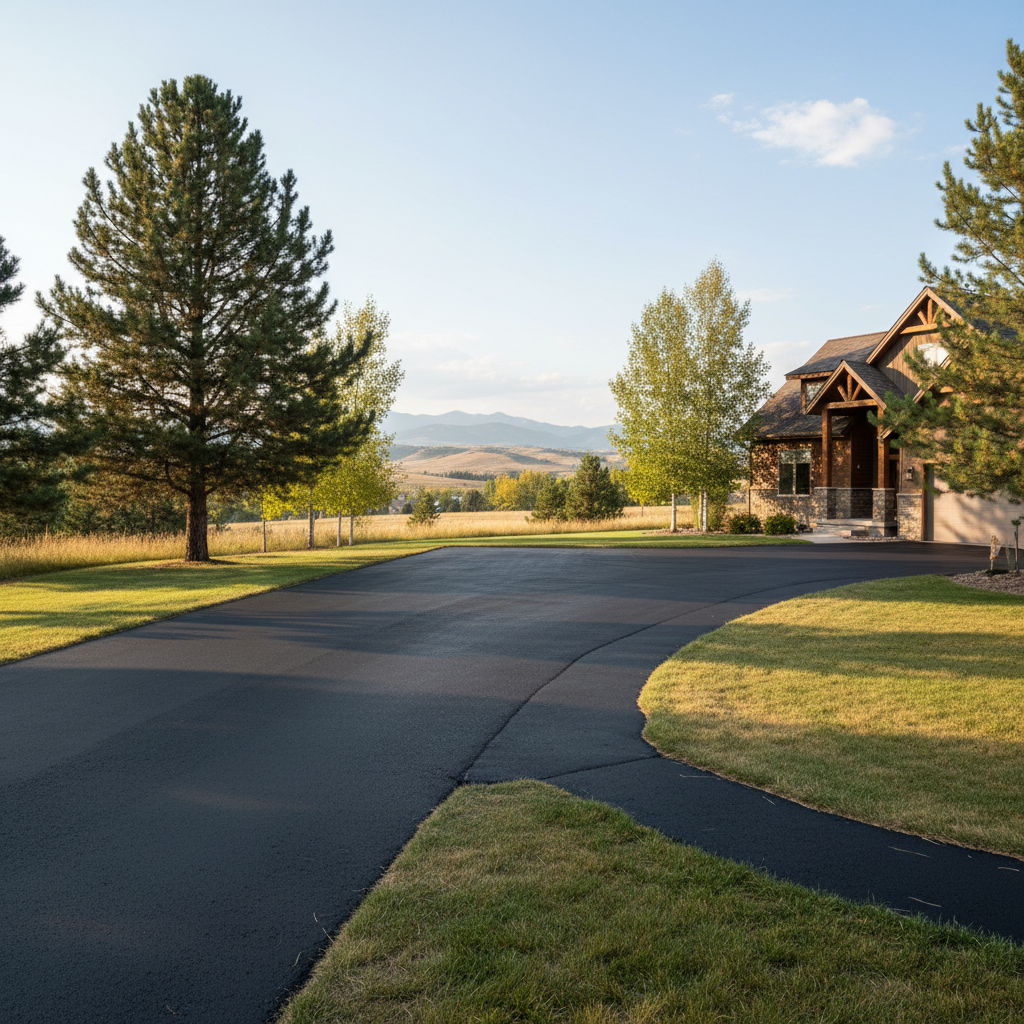
Alright, let's talk slurry coating. It's a great way to extend the life of your asphalt, but it's not something you can just slap on whenever. Especially here in Billings, where the weather can be, well, 'character-building,' you've gotta time it right. I've seen too many folks rush into it or wait too long, and that just wastes money. So, let's break down when to schedule it, what weather really matters, and how to keep that new surface looking good.
When's the Best Time for Slurry Coating in Billings?
Honestly, spring and early fall are your sweet spots. You're looking for consistent temperatures, and that's not always easy to come by in Montana. We need daytime highs that are reliably above 50°F, and more importantly, nighttime lows that don't dip below 40°F. The material needs time to cure properly, and cold temperatures slow that process way down. If it gets too cold, the slurry might not bind right, and you'll end up with a weaker, shorter-lived surface.
I usually tell people to aim for late May through early October. But even within that window, you've got to watch the forecast. Those sudden cold snaps we get in September can be a real problem. And if you're thinking about getting it done in April, you really need to be careful. One cold night can ruin the job. We're talking about a chemical process here, and chemistry doesn't care if you're in a hurry.
Weather Conditions That Make or Break a Slurry Job
Temperature is huge, like I said. But it's not the only thing. Rain is a definite no-go. You can't apply slurry coating to a wet surface, and it needs a good 24-48 hours of dry weather after application to cure. If rain hits it too soon, it'll wash away, or at best, it'll cure unevenly and look terrible. We're always checking the radar when we're scheduling jobs for Diamond Asphalt because nobody wants to waste time and material.
Humidity plays a role too, though it's less critical than temperature and rain. High humidity can extend the drying time. Wind can also be a factor. A little breeze helps with drying, but strong winds can cause the material to dry too quickly in spots, leading to cracking, or it can blow debris onto the fresh coating. We've got pretty consistent winds here in Billings, especially out on the West End, so we're always mindful of that. A good contractor will postpone if the conditions aren't right, even if it's inconvenient. It's about protecting your investment.
Protecting Your Slurry Coating Investment Year-Round
So, you've got your beautiful, fresh slurry coat. Now what? You've got to take care of it. The first 30 days are critical. Avoid heavy vehicles if you can, and don't turn your wheels sharply in place. That's how you get scuff marks and tears in the new surface. Think of it like a new coat of paint – it's tough, but it needs time to fully harden.
Once it's cured, regular cleaning helps a lot. Sweep off dirt and debris, especially before winter. Leaves and grime that sit on the surface can hold moisture, and that's not good for any asphalt. In winter, be smart about snow removal. Don't use metal shovels or plows that can scrape the surface. Plastic shovels are your friend. And go easy on the de-icers. While asphalt is pretty tough, excessive salt can still degrade the surface over time. Sand is a better option for traction if you need it, but make sure to sweep it up in the spring.
Keep an eye out for any small cracks that might develop. Catching them early and filling them with a good quality crack filler can prevent them from turning into bigger problems. Think of it as preventative maintenance, just like changing the oil in your truck. A little attention now saves you a lot of headaches and money down the road. Your slurry coat is designed to protect your underlying asphalt, but it's not invincible. Treat it right, and it'll serve you well for years.