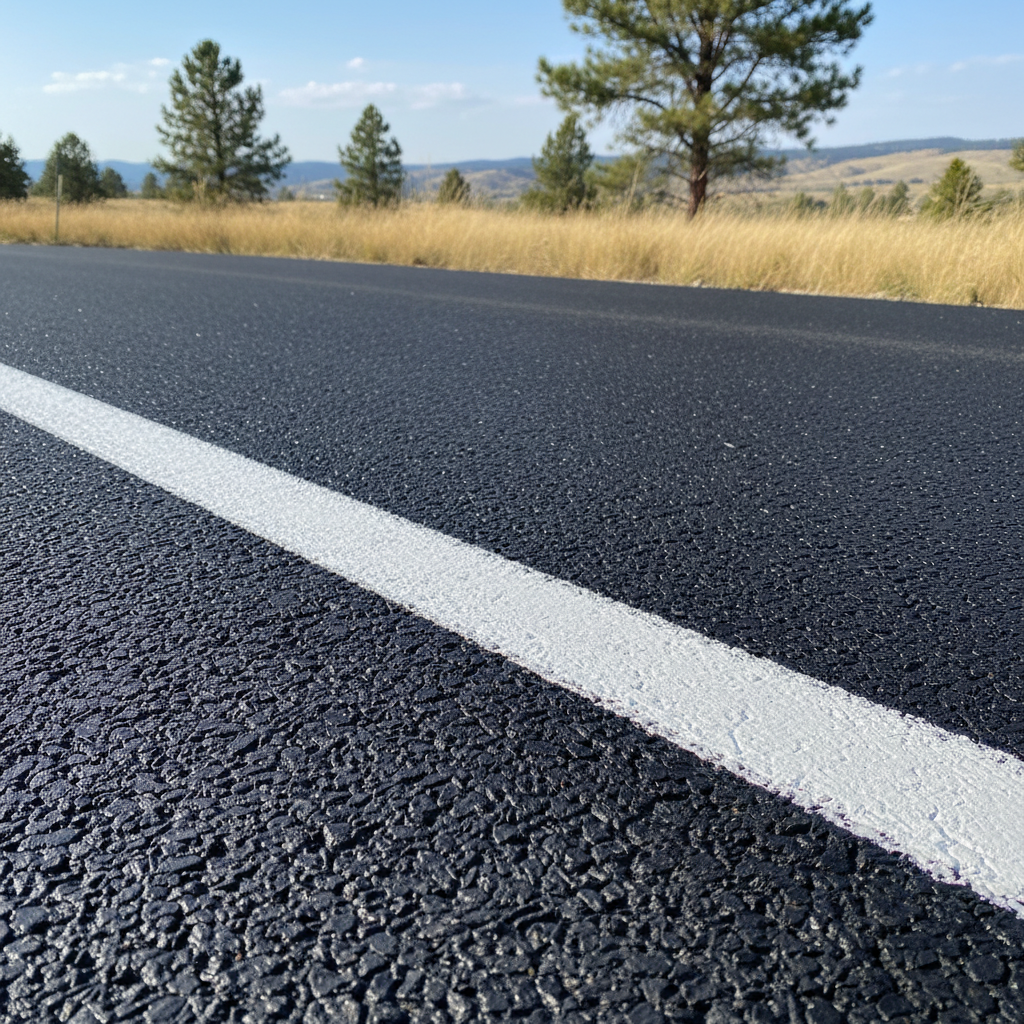
Thinking About Striping Your Own Asphalt?
So, you've just put down a fresh coat of asphalt, or maybe you're just trying to spruce up an old parking pad or a long driveway. Naturally, you're probably wondering if you can stripe it yourself. It's a pretty common thought, especially for homeowners here in Billings who like to tackle projects. I've seen plenty of folks try it, and sometimes it looks great, other times... well, not so much. Let's dig into what you should know before you even think about grabbing that can of paint.
Before You Start: Planning is Key
First off, what exactly are you trying to stripe? Is it just a simple parking spot, maybe a basketball court, or just outlining the edges of a long driveway? How complicated your project is will be the biggest thing determining whether you should DIY or just give us a call at Diamond Asphalt. For simple, straight lines, you'll probably be fine giving it a shot. But anything with curves, a bunch of parking stalls, or specific ADA compliance markings? That's when you really need a pro, trust me.
You'll need to get that surface super clean. I'm talking sweeping, blowing, and maybe even a good power wash if there's a lot of dirt, gravel, or oil stains hanging around. Paint just won't stick to grime, and you'll end up with flaky lines a month later. Make sure the asphalt is totally dry before you even think about painting, okay?
Next up, get your measurements right. Don't just eyeball it. Grab a tape measure, a chalk line, and some good old-fashioned string. For parking spaces, 9 feet wide is standard, and the length can change, but 18-20 feet is pretty common. If you're marking a basketball court, you'll need the official dimensions. Getting this right now saves a ton of headaches later.
What You'll Need for DIY Striping
If you're going to do it yourself, here's a basic shopping list:
- Striping Paint: Don't just grab any old exterior paint. You need special traffic or asphalt striping paint. It's made to be tough, handle the weather, and stick right to asphalt. You can often find it in aerosol cans for smaller jobs or bigger buckets if you're using a striping machine.
- Striping Machine (Optional): For anything more than just a single line, a walk-behind striping machine is a total game-changer. You can rent these from equipment rental places right here in Billings. They make sure your lines are the same width and way straighter than if you try to freehand it.
- Chalk Line & Tape Measure: Absolutely essential for laying things out accurately.
- String & Stakes: Great for those really long, straight lines or for marking out curves.
- Painter's Tape: Use this if you're doing detailed work or want super crisp edges without a machine.
- Safety Gear: Gloves, old clothes, maybe a mask if paint fumes bother you.
During the Project: Take Your Time
Once you've got your layout marked with chalk or string, it's painting time. If you're using a striping machine, try it out on a piece of cardboard or somewhere out of the way first. That way, you get a feel for the spray pattern and how fast to move. You're aiming for an even, consistent coat. Two thinner coats are always better than one thick, gloppy one that takes forever to dry and might just peel off.
For aerosol cans, hold the can at the same height and move at a steady pace. Overlapping a little bit on each pass helps make sure everything gets covered. If you're using painter's tape, press it down really firmly to stop paint from bleeding underneath.
Keep an eye on the weather, too. A nice, warm, dry day is perfect. Trying to stripe when it's too cold, too hot, or humid can mess with how long it takes to dry and how well the paint sticks. Our Billings winds can also be a real pain, so pick a calm day or be ready for some overspray if you're not careful.
After the Striping: Let it Cure
This part is super important: let the paint dry completely before you drive or walk on it. Drying times can change depending on the paint, temperature, and humidity, but generally, give it at least 24 hours — maybe even more if it's cooler. Rushing this step will just lead to smudges, tire marks, and a job you'll totally regret. You definitely don't want your nice new lines tracking paint all over your garage floor.
Take a good look at your work. Are the lines straight? Is the coverage even? If you spot any missed areas or spots that need a touch-up, fix them now. It's way easier to fix small imperfections early on.
When to Call a Pro
Look, for a simple, single line or a couple of parking spots, you can probably handle it. But if you're looking at:
- Lots of parking stalls with specific measurements.
- Handicap parking spaces that need stenciled symbols.
- Directional arrows or custom lettering.
- Any project where precision and a professional look are really important.
- Big commercial parking lots.
That's when you should call us. We've got the specialized equipment, the right paints, and the experience to get it done efficiently and looking perfect. We understand the local conditions, like how our freeze-thaw cycles here can affect how long paint lasts, and we use products that hold up. We've striped everything from small business lots in the Heights to large apartment complexes all across town. Sometimes, saving yourself the headache and making sure you get a long-lasting, professional result is just worth the investment. Give Diamond Asphalt a call if you're not sure; we're always happy to chat about your project.