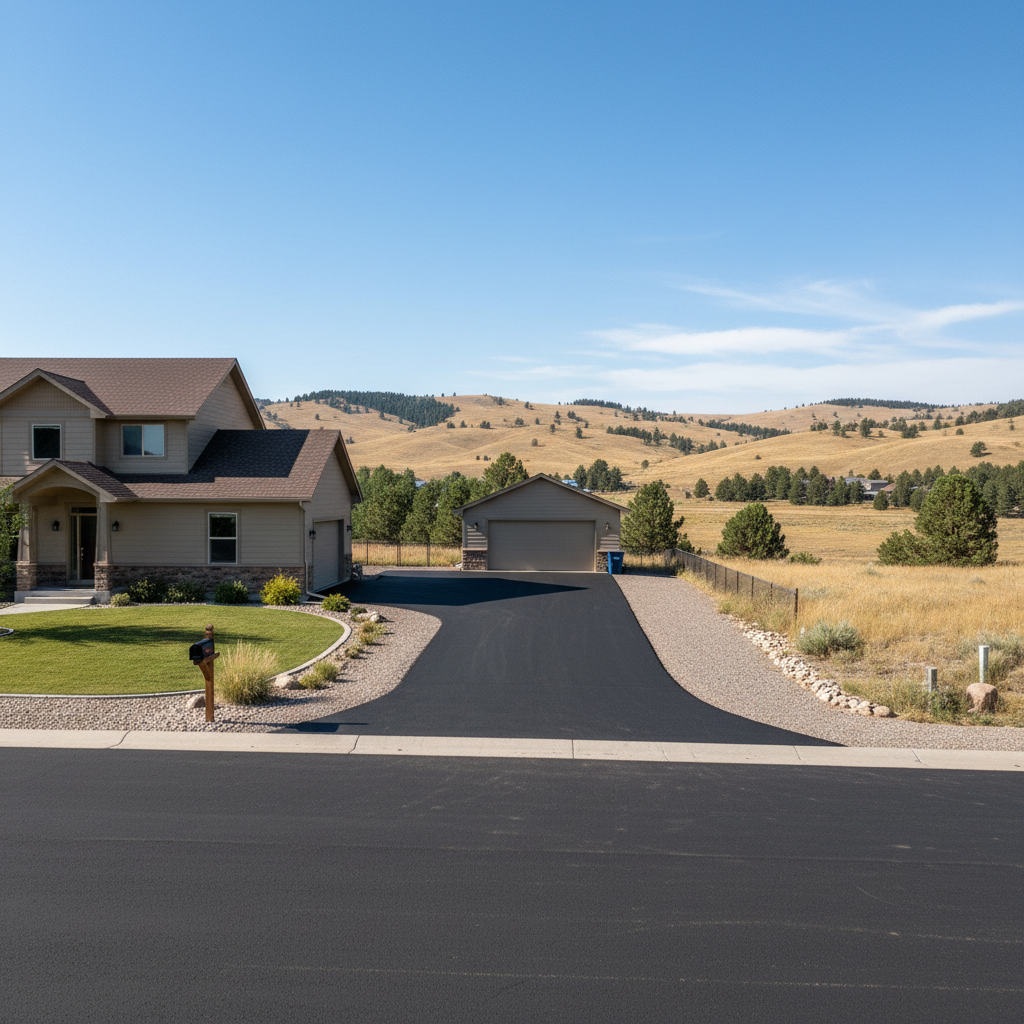
You want your asphalt driveway to last, right? Especially here in Billings, where our winters can be brutal and the summer sun bakes everything. I've seen too many good driveways go bad because folks didn't know a few simple tricks to keep them in shape. Let's talk about what you can do to protect your investment.
Extend Your Asphalt's Life: It's All About Protection
Think of your asphalt like your skin; it needs protection from the elements. The sun, the ice, the heavy loads – they all take a toll. The biggest thing you can do to extend its life is proper sealing. We recommend sealcoating your driveway every 2-3 years, depending on traffic and how much sun it gets. That sealcoat isn't just for looks; it creates a barrier against UV rays, water, and chemicals like oil and gas spills. Without it, the asphalt binder starts to oxidize and get brittle, leading to cracks.
Another big one is managing drainage. Water is asphalt's worst enemy. If you've got puddles sitting on your driveway after a rain or snowmelt, that water is going to seep into the tiny cracks, freeze, expand, and then you've got a real problem. Make sure your gutters are directing water away from the driveway and that there aren't any low spots where water collects. Sometimes, a simple French drain or regrading a small area can make a huge difference.
Regular Maintenance: Small Steps, Big Impact
Beyond sealcoating, there are some easy things you can do regularly. Keep it clean. Sweep off dirt, leaves, and debris. This stuff holds moisture against the surface and can contribute to moss or weed growth, which you definitely don't want. Weeds pushing up through cracks can widen them fast.
Deal with spills immediately. Oil, gas, antifreeze – these chemicals break down the asphalt binder. Use an absorbent material like cat litter or sand, then sweep it up. Don't let it sit and soak in.
Watch out for heavy loads. If you're constantly parking heavy RVs or equipment in the same spot, or driving over the edge of the driveway, you're putting stress on the asphalt that it wasn't designed for. Try to distribute the weight or avoid those areas if you can. Here in Billings, especially in some of the older neighborhoods with established trees, tree roots can be a real pain. If you see roots pushing up, you might need to consider professional root management or even a small patch repair before it gets worse.
Warning Signs: Don't Ignore These
Your driveway will tell you when it's hurting, you just need to know what to look for. Here are some red flags:
- Cracks: Small, hairline cracks are normal, especially with our freeze-thaw cycles. But if they start widening, connecting, or forming alligator-skin patterns, that's a sign of deeper trouble. Get those filled quickly before water gets in and makes them worse.
- Potholes: These usually start from small cracks that let water in, freeze, and then the surface breaks away. A pothole is a clear sign that the base layer is compromised.
- Fading and Discoloration: If your asphalt looks gray instead of black, it means the binder is oxidizing. This makes it brittle and more susceptible to cracking. Time for a sealcoat.
- Raveling: This is when the aggregate (the small stones) starts to come loose from the surface. It makes the asphalt look rough and pitted. It means the binder is failing.
- Soft Spots or Depressions: If you see areas where the asphalt is sinking or feels spongy when you drive over it, that's a big problem with the sub-base. It needs immediate attention.
When to Call a Professional: Don't Wait Too Long
Look, you can handle the sweeping and the quick spill cleanup. But for anything more serious, you really should call in the pros. If you're seeing widespread cracking, potholes, or those soft spots I mentioned, that's beyond a DIY fix. Trying to patch a major problem yourself often just delays the inevitable and can cost you more in the long run.
For crack filling, sealcoating, or any kind of patching, it's best to have someone with the right equipment and experience do it. We've got the tools and the knowledge to make sure the repair lasts. At Diamond Asphalt, we've been working with Billings asphalt for years, and we know what it takes to stand up to Montana's unique climate. Don't let a small issue turn into a full-blown replacement job. Give us a call when you spot those warning signs, and we can come take a look and give you an honest assessment.