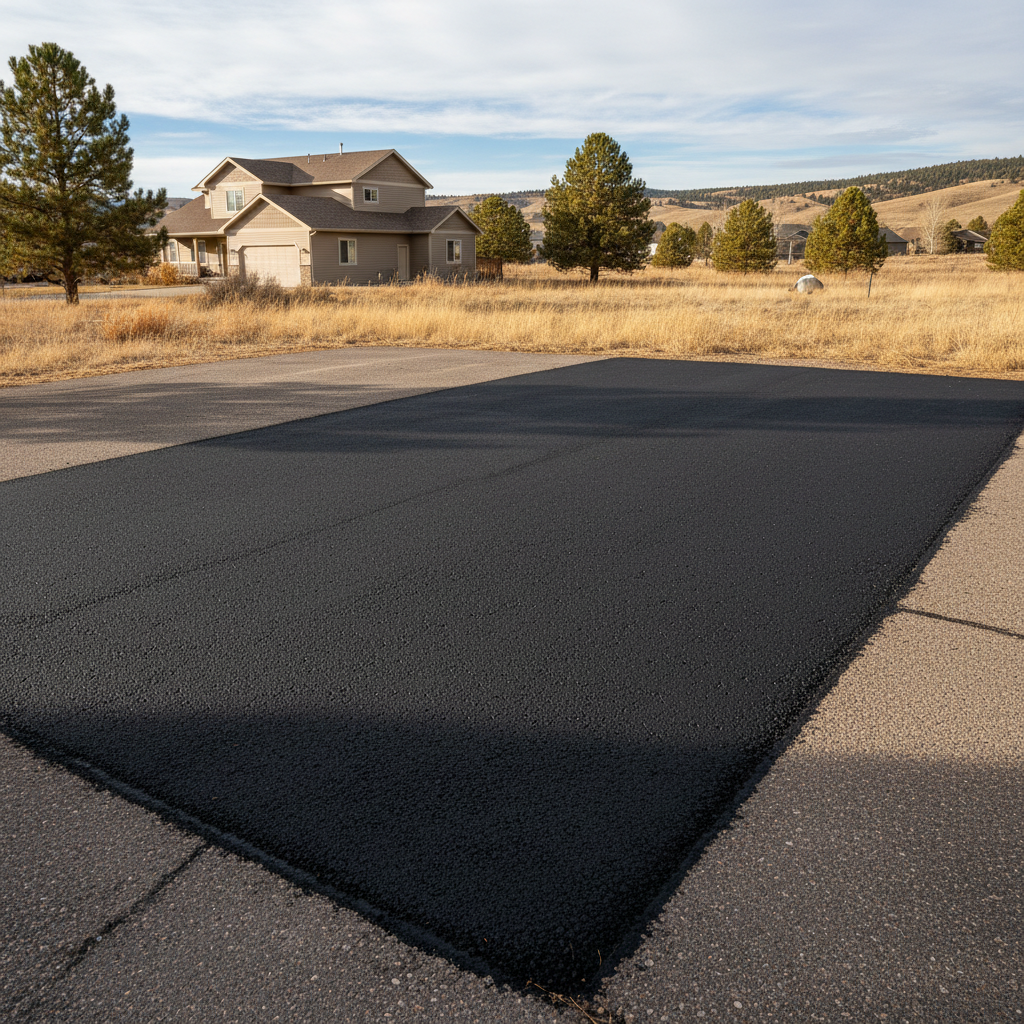
You just had a professional patch job done on your driveway or parking lot. That's a good start. But a patch isn't a 'set it and forget it' kind of deal, especially not here in Billings with our wild temperature swings and heavy snow loads. You've invested in that repair, so let's make sure it lasts. Here's what I tell my customers about keeping those patches solid.
Extending the Life of Your Asphalt Patch
The biggest thing you can do to extend the life of any asphalt work, including patches, is to keep water out of the sub-base. Water is asphalt's worst enemy. When water gets under the surface and freezes, it expands, pushing up the asphalt and creating cracks. Then when it thaws, it leaves a void, and the asphalt sinks. It's a vicious cycle we see all the time.
So, how do you fight it? First, make sure drainage around the patched area is good. If water pools on or near the patch, you've got a problem. Sometimes it's as simple as clearing out a clogged gutter or redirecting a downspout. Second, sealcoating. I know some folks think it's just for looks, but a good quality sealcoat every few years, applied correctly, acts like a protective shield. It seals those tiny hairline cracks before they become big ones, and it protects the asphalt from UV rays and chemicals like oil or gas spills. Don't cheap out on this; a professional application makes a huge difference.
Also, watch the weight you put on it. Heavy trucks or RVs sitting in one spot for long periods can stress even a well-done patch. If you've got a new patch, give it time to cure properly before putting heavy loads on it. We'll tell you the exact timeframe after we finish the job, but generally, give it a few days, especially if it's hot out.
Regular Maintenance for Patched Areas
Regular maintenance for a patched area isn't much different from your whole asphalt surface, but it's even more critical around the repair. You want to be proactive, not reactive. Here's what I mean:
- Keep it Clean: Sweep off dirt, gravel, and debris regularly. This stuff can hold moisture against the asphalt and contribute to wear.
- Address Spills Immediately: Oil, gas, and other chemicals can break down the asphalt binder. Clean them up as soon as they happen. Kitty litter works wonders for absorbing fresh spills.
- Check for Cracks: Walk your driveway or parking lot once a month, especially after a big storm or a freeze-thaw cycle. Look closely at the edges of the patch and where it meets the old asphalt. If you see new cracks, even hairline ones, get them filled. Crack filling is cheap compared to a whole new patch.
- Monitor Drainage: After a rain or snowmelt, check if water is pooling on or around the patch. If it is, figure out why and fix it.
These simple steps, done consistently, will make a world of difference in how long that patch holds up against our Montana winters and hot summers.
Warning Signs of Trouble
You don't need to be an asphalt expert to spot problems, but you do need to know what to look for. Catching these early can save you a lot of money and headaches down the road:
- New Cracks: Any cracks forming within the patch itself or, more commonly, around the perimeter where the patch meets the existing pavement. These are entry points for water.
- Raveling: This is when the aggregate (the small stones) starts to come loose from the asphalt binder. The surface will look rough and pitted. It's a sign the binder is failing.
- Depressions or Potholes: If the patch starts to sink or a new pothole forms within or next to it, that means the sub-base is compromised, likely by water. This is a serious issue.
- Shifting: If the patch looks like it's moving or separating from the surrounding pavement, that's a big red flag. It means the bond isn't holding.
- Water Pooling: As I said before, water pooling on or near the patch is a problem waiting to happen.
Don't ignore these signs. A small crack today can be a big headache next spring, especially with the ground freezing and thawing in areas like the Heights or over in West End where the soil can be pretty clay-heavy.
When to Call a Professional
Look, I'm all for homeowners doing what they can, but some things are best left to the pros. You should definitely call Diamond Asphalt if:
- You see any significant cracking, raveling, or depressions that are larger than a few inches.
- Water is consistently pooling on your patched area, and you can't figure out why or how to fix the drainage.
- The patch is shifting or separating from the surrounding pavement. This often means the sub-base needs attention, and that's not a DIY job.
- You're unsure about the best way to sealcoat or crack fill to protect your investment. A professional application lasts longer and performs better than most DIY kits.
- You've got a lot of patches, or the entire surface is showing multiple signs of distress. Sometimes, a full resurface or replacement is more cost-effective in the long run than chasing endless patches.
We're here to help. A quick inspection can often tell you exactly what's going on and what your best options are, whether it's a simple crack fill or something more involved. Don't wait until a small problem turns into a major repair. Keep an eye on your asphalt, and it'll serve you well for years.