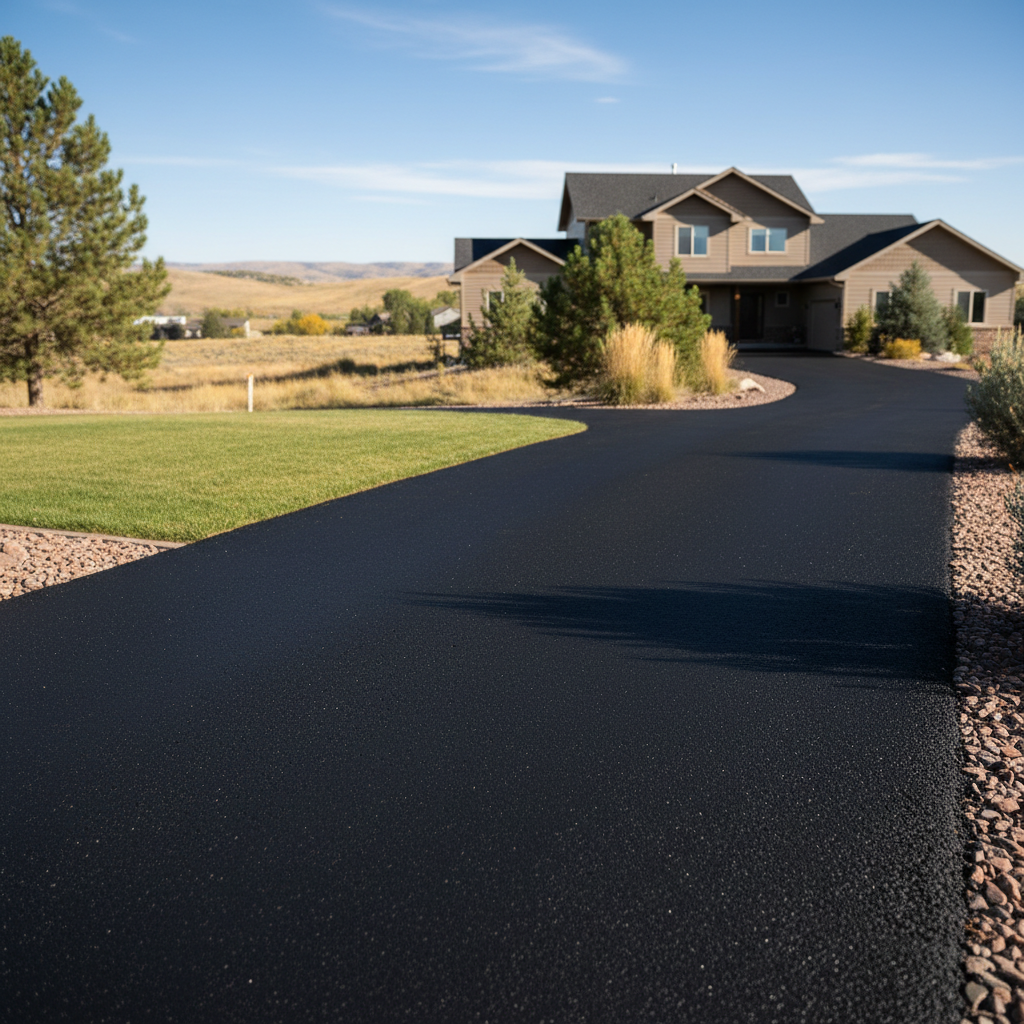
Keeping Your Fresh Sealcoat in Top Shape
So, you just got your asphalt sealcoated. Smart move! You've taken a real step to protect your pavement from the tough Billings weather. But here's the thing: that sealcoat isn't some magic, set-it-and-forget-it deal. It needs a little attention to really do its job and last as long as it should. Think of it like a good coat of paint on your house — it protects, sure, but you still have to clean it and watch for chips, right?
The biggest thing to remember right after a fresh sealcoat is just to be patient. We always tell folks to stay off it for at least 24-48 hours, sometimes even longer if it's humid or cooler outside. Seriously, don't be that person who pulls their truck onto a still-tacky surface; you'll mess up the finish and track it everywhere. And for the first week or so, try to avoid sharp turns with your power steering while you're sitting still. That grinding motion can peel up fresh sealcoat, especially on hot days. It's a common mistake, but it's super easy to avoid.
Your Sealcoat Maintenance Checklist
Once it's cured, regular maintenance isn't brain surgery, but it makes a huge difference. Here's what I always tell my customers:
- Keep it Clean: Dirt, gravel, and other bits don't just look bad; they act like sandpaper every time a car drives over them. Sweep or blow off your driveway regularly, especially after a windy day or a big rainstorm. We get those Chinook winds whipping through here, and they sure do bring a lot of grit with them.
- Oil and Chemical Spills: These are the enemy, plain and simple. Oil, gas, antifreeze — they all break down asphalt and sealcoat. If you see a drip, clean it up immediately. Don't let it sit. A good degreaser and a stiff brush, then rinse it off. Catching it early is absolutely key.
- Edge Care: The edges of your driveway are often the first spot to show wear. Keep vegetation trimmed back from the asphalt. Roots can cause cracks, and constant shade can keep moisture trapped, which isn't good for the sealcoat or the asphalt underneath.
- Drainage Matters: Make sure water isn't pooling on your driveway. If you've got low spots where water just sits after a rain or snowmelt, that's a problem. Water getting in is a huge reason for asphalt failure, especially with our freeze-thaw cycles here in Billings. Good drainage protects your sealcoat and the base layer.
Signs Your Sealcoat Needs a Little Help
You're not looking for perfection, but you should definitely keep an eye out for these red flags:
- Fading Color: If your rich black sealcoat starts looking gray or dull, that's a sign it's losing its protective abilities. It's not just about looks; the sun's UV rays are getting through to the asphalt.
- Fine Cracking (Spiderwebbing): Small, interconnected cracks appearing across the surface. This means the sealcoat itself is drying out and getting brittle. It's not yet deep structural damage, but it's a clear sign the protective layer is failing.
- Potholes or Deep Cracks: This is way beyond sealcoat maintenance. If you're seeing actual potholes or cracks wider than a quarter-inch, the sealcoat isn't going to fix that. These need to be patched *before* you even think about resealing.
- Loose Aggregate: If you're seeing small stones from the asphalt base coming loose and sitting on top of your sealcoat, it means the sealcoat isn't bonding properly or it's worn through.
When to Call a Pro Like Diamond Asphalt
Look, I'm all for homeowners taking care of their own property, but there are times when you just need to call in the cavalry. If you're seeing any of those major warning signs — widespread spiderwebbing, significant fading, or any structural issues like potholes or large cracks — it's time to get a professional opinion. Trying to sealcoat over existing damage is like putting a band-aid on a broken arm; it won't fix the underlying problem and you'll just waste money.
Also, if you're unsure about your asphalt's condition or if you think you've got drainage issues causing problems, give us a call. We've seen it all, from the old, cracked driveways in the Alkali Creek area to newer developments with settling issues. We can assess the situation, tell you honestly what needs to be done, and give you options. Sometimes a simple crack fill and spot seal is all you need, other times it's a bigger job. Don't let small problems turn into big, expensive ones. A little proactive care and knowing when to call a pro will keep your asphalt looking good and lasting for years in this Montana weather.