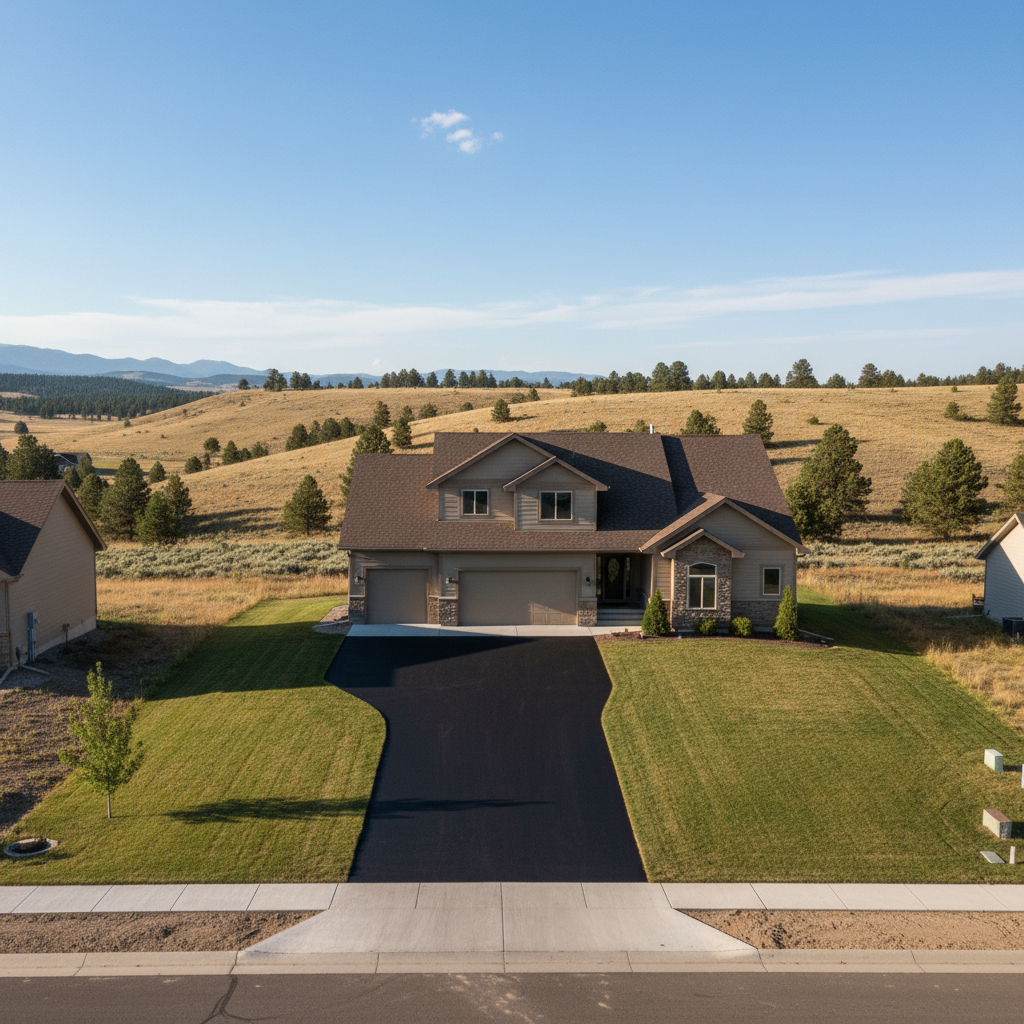
Thinking About a New Driveway? Let's Get You Ready.
So, you're looking at that old, cracked-up driveway and thinking, "Enough is enough. Time for something new." Good for you! A fresh asphalt driveway isn't just about making your place look better; it's about making your everyday life a little easier and safer. But, let's be honest, jumping into a paving project can feel pretty daunting if you're not sure what's coming. I've been doing this a long time here in Billings, and trust me, I've seen it all. Let's walk through what you need to know so your project goes off without a hitch.
The Timeline: What to Expect From Start to Finish
People often hit me with the question, "How long does this whole thing actually take?" It's a fair question, but the answer isn't just a simple number of days. From your first phone call to finally driving on your brand-new pavement, here’s a rough idea of the timeline:
- Initial Contact & Estimate (1-2 weeks): You'll probably reach out to a few contractors. We'll come out, measure things up, check out your site, and then give you a bid. Good contractors are usually pretty busy, especially during our peak season, so don't expect someone to show up for an estimate the very next day.
- Scheduling (2-4 weeks, or maybe more): Once you pick a contractor and sign on the dotted line, you'll get put on their schedule. This timing can really swing depending on the time of year. Spring and fall? Those are usually our busiest. Weather plays a huge part too; we just can't pave if it's raining or too cold.
- Prep Work & Paving (2-5 days): This is when the actual construction happens. It involves digging out the old stuff, grading the ground, getting the base ready, and then laying down the asphalt. Most residential driveways are usually done in just a couple of days, though bigger or more complicated jobs might take a bit longer.
- Curing Time (3-7 days): After we lay the asphalt, you can't just drive on it right away. It needs some time to cure and harden up. We'll give you exact instructions, but generally, plan on keeping vehicles off it for at least 3 to 5 days—sometimes even a full week, especially if it's hot out.
So, from that first call until you're cruising on your new pavement, you're probably looking at anywhere from 4 to 8 weeks, maybe even a bit more. Patience, my friend, is definitely key here.
What Happens During the Paving Process?
When our crew rolls up, here’s generally what you’ll see us doing:
- Demolition: If you've got an old driveway, we'll break it up and haul it away. Heads up: this can be a bit noisy and dusty, so just be ready for that.
- Grading & Excavation: We'll dig down to the right depth and shape the ground underneath. Good drainage is super important, especially with our Billings clay soils that don't always drain well. We make sure water flows away from your house, not toward it.
- Base Layer: This is basically the backbone of your driveway. We'll lay down a layer of crushed rock, compact it really well, and make sure it's perfectly level. A solid base prevents future cracks and sinking.
- Asphalt Application: The hot asphalt mix gets delivered right to your place and then laid down by our paving machine. After that, rollers compact it to create a smooth, tough surface. This is where the magic happens, I tell ya!
- Cleanup: We don't just leave a mess for you. Our crew cleans up the site, gets rid of any debris, and makes sure everything looks tidy when we're done.
How to Prepare Your Property for the Crew
You can really help us out and make things go a lot smoother by doing a few things before we show up:
- Clear the Area: Move your vehicles, trash cans, planters, kids' toys, or anything else off and around the driveway path. We need clear access, plain and simple.
- Trim Landscaping: If you have bushes or tree branches hanging over the driveway, please trim them back. Our equipment is big, and we certainly don't want to damage your plants or our machines.
- Mark Utilities: If you've got any invisible dog fences, sprinkler lines, or other buried utilities that aren't already marked, please let us know. Even better, mark them yourself with some flags. We really don't want any surprises.
- Plan for Access: Remember, you won't be able to use your driveway for a few days. So, figure out where you'll park your cars and how you'll get in and out of your house during that time.
- Communicate: If you have any specific concerns or requests, just talk to the foreman when they arrive. We're here to help, after all.
Questions to Ask Before You Sign That Contract
Don't just jump at the lowest bid, okay? You're making a pretty big investment here, so ask some smart questions. Here are some I'd definitely recommend:
- What's actually included in the price? Get a detailed breakdown. Does it cover digging out the old stuff, hauling away material, base prep, the asphalt layers, and cleanup?
- What kind of base will you use, and how thick will it be? A good base is absolutely crucial. Don't skimp here.
- How thick will the asphalt layer be? For residential driveways, I usually tell folks to go with at least 2 to 3 inches of compacted asphalt.
- What's your plan for drainage? This is huge in Billings, I can't stress that enough. Make sure they have a solid plan to get water away from your foundation.
- Do you have insurance and are you licensed? Any reputable contractor, like us at Diamond Asphalt, will be happy to show you proof. Don't even think about working with someone who isn't.
- What kind of warranty do you offer? A good contractor stands behind their work, period.
- Can you provide references? Talk to past customers. Go see their work if you can.
- What's the payment schedule? Typically, you'll pay a deposit, then the rest when the job's done. Be super wary of contractors who ask for a huge chunk of money upfront.
By asking these questions and really understanding the whole process, you'll feel a lot more confident about your driveway project. It's a big job, sure, but with the right planning and the right crew, you'll end up with a beautiful, durable driveway that'll last for years.